Food
Gujarati Besan Chutney Recipe: Make This Tangy 10-Minute Dish When You Have No Vegetables at Home
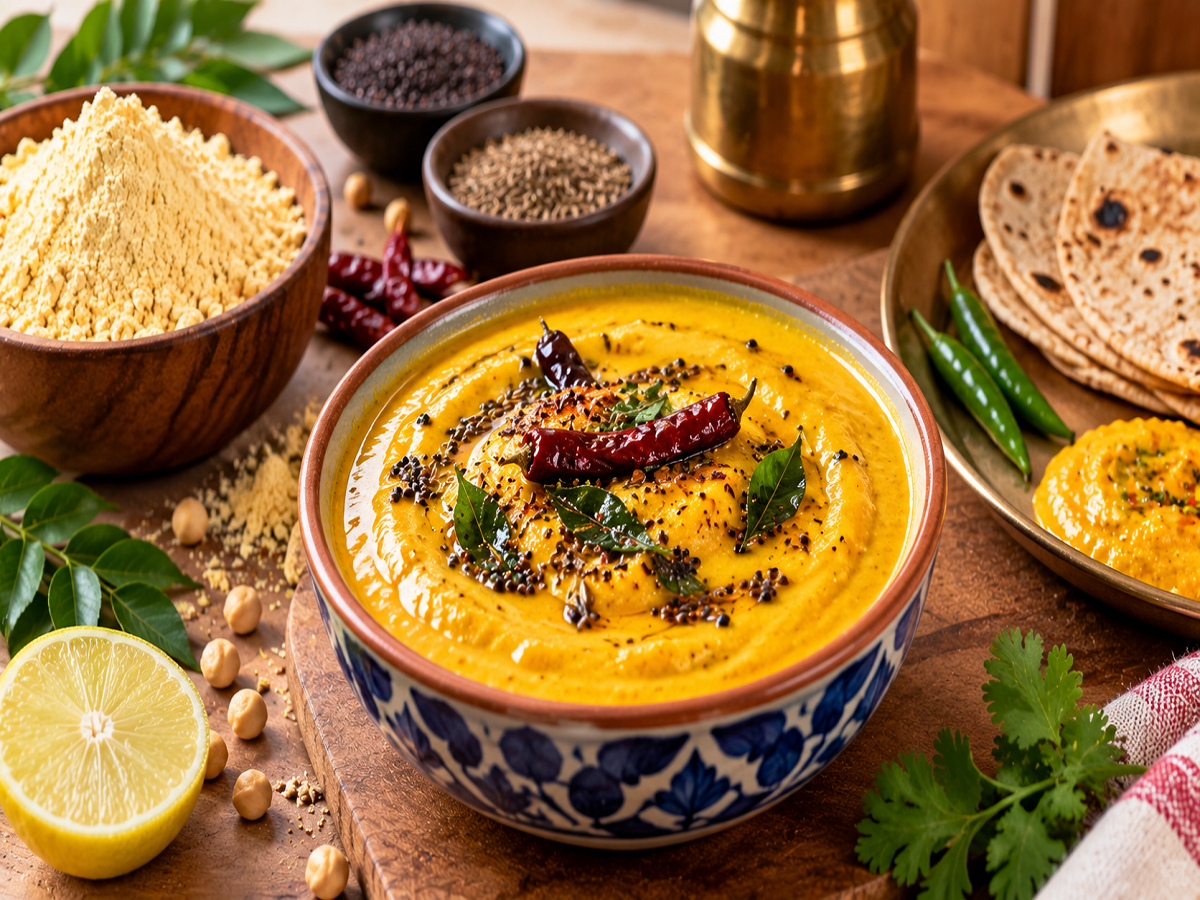
Gujarati Besan Chutney Recipe: There are days when the refrigerator is almost empty, no fresh vegetables are available, and making the usual dal does not sound appealing. Instead of ordering food or worrying about what to cook, a simple bowl of gram flour can come to the rescue.
Gujarati-style Besan Chutney is a quick and flavourful dish made primarily with gram flour, spices and a few everyday kitchen ingredients. It has a tangy, mildly spicy taste and a smooth consistency that makes it suitable for serving with roti, paratha or rice.
Another advantage is speed. With basic preparation, this dish can be ready in roughly 10 to 15 minutes, making it particularly useful for a quick lunch or dinner.
What Makes Gujarati Besan Chutney Special?
Besan, also known as gram flour or chickpea flour, is widely used in Indian kitchens. It is the base for popular snacks such as pakoras and dhokla, but its versatility extends well beyond fried foods.
In this recipe, besan is transformed into a savoury accompaniment with the help of a simple tempering and spices.
The result is thicker and more substantial than many conventional chutneys. Depending on how much water is added, you can keep it relatively thick for roti or prepare a slightly thinner version to serve with steamed rice.
Its biggest appeal is that it requires no elaborate preparation or expensive ingredients.
Ingredients for Gujarati Besan Chutney
To prepare approximately three to four servings, you will need:
- ½ cup besan or gram flour
- 1½ to 2 cups water
- 1 tablespoon oil
- ½ teaspoon mustard seeds
- ½ teaspoon cumin seeds
- A pinch of asafoetida
- 1 to 2 finely chopped green chillies
- ½ teaspoon turmeric powder
- ½ teaspoon red chilli powder
- ½ teaspoon coriander powder
- Salt according to taste
- 1 teaspoon lemon juice
- A small amount of jaggery or sugar, optional
- Fresh coriander leaves for garnishing
You can adjust the quantity of chilli, lemon and sweetener depending on whether you prefer the chutney spicy, sour or mildly sweet.
Step 1: Make a Smooth Besan Mixture
The first step is important because besan can easily develop lumps if added directly to a hot pan.
Take the gram flour in a mixing bowl and gradually add water while whisking continuously.
Keep mixing until you have a smooth, lump-free batter.
The consistency should be reasonably thin at this stage because the besan will thicken considerably as it cooks.
If lumps remain in the mixture, whisk for another minute before moving to the next step.
Step 2: Prepare the Tempering
Heat oil in a pan over medium heat.
Once the oil is hot, add mustard seeds and allow them to crackle. Add cumin seeds, followed by a small pinch of asafoetida.
Next, add the chopped green chillies.
Cook briefly until the spices release their aroma. Avoid burning the tempering, as burnt mustard or cumin can make the finished dish bitter.
This simple tadka creates the basic flavour of the chutney.
Step 3: Add the Besan Mixture
Reduce the heat and slowly pour the prepared besan-water mixture into the pan.
Keep stirring continuously while adding it.
This is one of the most important parts of the recipe. Continuous stirring helps prevent the gram flour from forming lumps or sticking to the bottom of the pan.
Add turmeric, red chilli powder, coriander powder and salt.
Mix everything thoroughly.
Step 4: Cook Until the Besan Thickens
Cook the mixture over low to medium heat while stirring regularly.
Within a few minutes, you will notice that the watery mixture begins to thicken.
Besan needs to be cooked properly because undercooked gram flour can have a raw taste. Continue cooking until the mixture develops a smooth, glossy consistency and the raw aroma disappears.
If it becomes too thick, add a small quantity of hot water and mix well.
If you want to eat it with roti, keep the consistency relatively thick. For rice, you can add a little more water and make it slightly more fluid.
Add a Tangy Gujarati-Style Finish
Once the besan has cooked properly, add lemon juice for acidity.
If you enjoy the sweet-and-sour flavour commonly found in many Gujarati preparations, add a small amount of jaggery or sugar.
This step is optional.
The objective is not to make the dish noticeably sweet but to balance the heat from the chillies and the sourness of the lemon.
Mix everything well and cook briefly before switching off the heat.
Finish with freshly chopped coriander.
How to Make the Chutney More Flavourful
Although the basic recipe is extremely simple, a few additions can make it more interesting.
Fresh curry leaves can be added to the tempering for extra aroma. Finely chopped garlic can also be sautéed with the green chilli if you enjoy stronger flavours.
For more heat, increase the green chilli or add a little extra red chilli powder.
A pinch of roasted cumin powder added toward the end can also give the chutney another layer of flavour.
The recipe is flexible enough to be adjusted according to the ingredients already available in your kitchen.
The Biggest Mistake to Avoid
The most common problem while making besan chutney is lump formation.
Never pour dry gram flour directly into a large quantity of hot liquid.
Instead, first dissolve the besan thoroughly in room-temperature water and make a smooth mixture. Then pour it slowly into the pan while stirring.
Another mistake is cooking the dish on very high heat. Besan thickens quickly and can stick to the bottom before it cooks evenly.
Medium or low heat provides better control.
What Can You Serve With Besan Chutney?
This Gujarati-style besan preparation works particularly well with freshly made roti or phulka.
Its creamy consistency also pairs nicely with parathas.
If you make it slightly thinner, serve it over a bowl of hot steamed rice for a simple meal.
You can add papad, pickle, sliced onions or a fresh salad on the side to make the meal more complete.
Because the chutney itself takes very little time to prepare, it can be especially convenient on busy weekdays.
A Handy Recipe When the Fridge Is Empty
The real beauty of this dish is that it depends mostly on pantry staples.
There is no need to have potatoes, tomatoes, paneer or other fresh vegetables ready before you start cooking. As long as you have besan, a few spices and water, you already have the foundation of the recipe.
This also makes it a useful backup meal for days when you have not had time to buy groceries.
Ready in Minutes With Everyday Ingredients
Gujarati Besan Chutney proves that a tasty meal does not always require a long ingredient list.
Prepare a smooth besan mixture, make a fragrant tempering, cook the gram flour thoroughly and finish it with a tangy touch of lemon. In around 10 to 15 minutes, you can have a warm and flavourful accompaniment ready for the table.
So, the next time you don't feel like eating regular dal-sabzi—or discover that there are hardly any vegetables left at home—take out the besan and give this quick Gujarati-style recipe a try.
Serve it hot with roti or rice for a simple, comforting and flavour-packed homemade meal.