Technology
No Built-In Scam Detection on Your Phone? Security Apps Can Add an Extra Layer of Protection
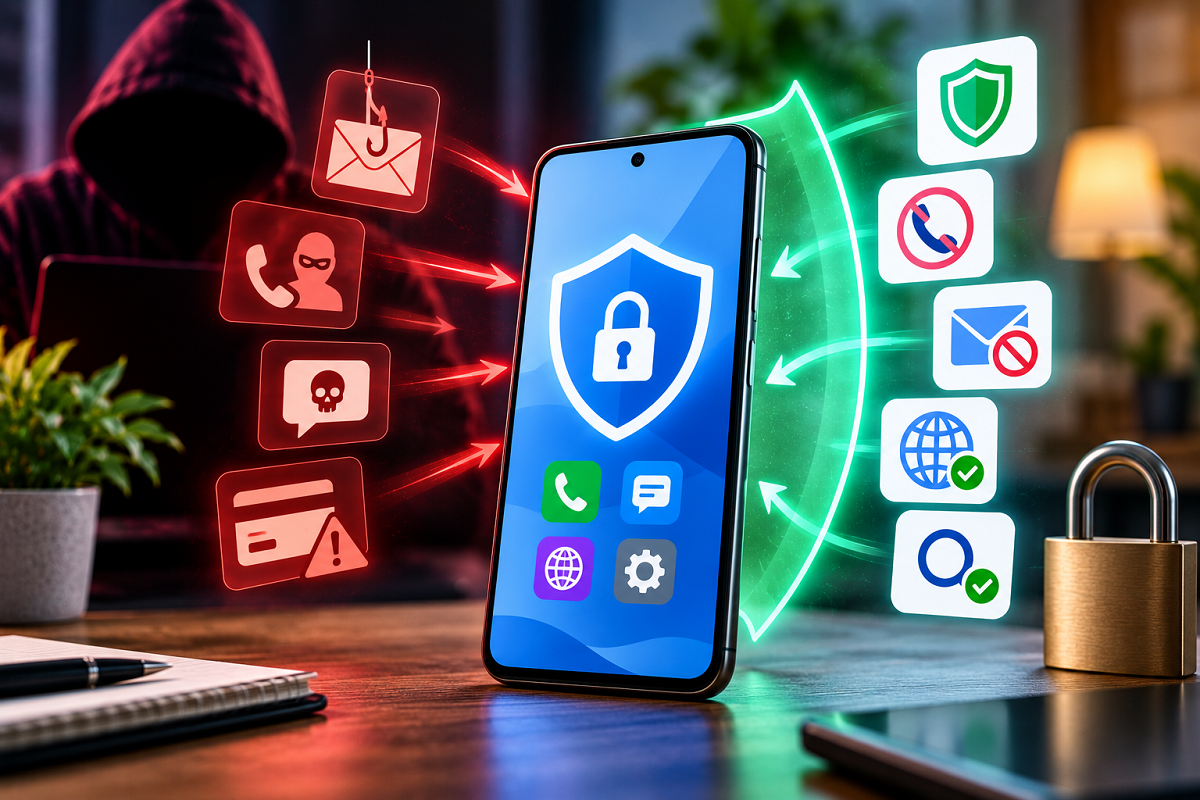
Online scams have become a growing concern for smartphone users. Fraudsters are no longer relying on just one method to target victims. Fake phone calls, suspicious SMS messages, phishing emails, WhatsApp messages, malicious links and fraudulent websites are all commonly used to trick people into revealing sensitive information or installing harmful software.
To counter these threats, some smartphones now include built-in security and scam-detection features. These tools may help identify suspicious activity and warn users before they interact with potentially dangerous content.
But what if your Android phone does not have a dedicated scam-detection feature?
That does not mean you are completely unprotected. Security applications can provide an additional layer of protection, particularly when combined with safe browsing habits, careful app installation and regular software updates.
One such security application mentioned in the source is Malwarebytes.
Why Scam Protection Has Become Important
Cybercriminals often try to make fraudulent messages appear genuine.
A scam message may look like a bank alert, courier notification, electricity-bill warning, shopping refund or account-verification request. The objective is usually to convince the recipient to click a link, download a file, install an application or disclose sensitive information.
The fraudulent website may even resemble the real company's website closely enough to fool someone who is in a hurry.
This is why users should not depend entirely on appearance when deciding whether a message or website is legitimate.
Built-In Scam Detection Is Not Available on Every Phone
Smartphone security features can vary depending on the manufacturer, operating-system version, device model and region.
A newer smartphone may provide additional security capabilities that are not available on an older handset.
Users whose devices do not include a dedicated scam-detection feature can still improve their security through trusted security applications and safer online habits.
However, installing a security app should not create a false sense of complete protection. No application can guarantee that every scam, malicious website or fraudulent message will always be detected.
Malwarebytes Can Help Check Android Devices for Security Risks
Malwarebytes is one of the security applications highlighted in the original article.
On Android devices, the app can help users check for potentially dangerous applications and other security threats.
This can be particularly relevant for people who have previously installed an APK downloaded from a third-party website.
APK files allow Android applications to be installed outside the usual app-store process. While APK files are not automatically malicious, downloading applications from unknown or untrusted websites can increase security risks.
A security scan may therefore be useful if you suspect that an unfamiliar application has been installed on your device.
Avoid Downloading Apps From Unknown Websites
Prevention is usually better than trying to remove malicious software after it has already reached a smartphone.
Users should preferably download applications from official and trusted app stores rather than random websites or links received through messages.
A scammer may send a link claiming that the user needs to install an application for KYC verification, a bank refund, a government service, a delivery update or another seemingly legitimate purpose.
Installing an unknown APK in such situations can expose the device to unnecessary risks.
Before installing an application, users should check its developer, permissions and source.
Be Suspicious of Unexpected Links
Scam protection is not limited to detecting malicious apps.
Users should also be cautious when receiving unexpected links through SMS, WhatsApp, email or social-media platforms.
A message that creates urgency deserves additional attention. Fraudsters frequently use warnings such as “your account will be blocked,” “KYC expires today,” “payment failed” or “claim your refund immediately” to pressure people into acting quickly.
Instead of opening the link in the message, independently open the official app or website of the organisation concerned.
This simple habit can prevent many phishing attempts.
Security Apps Should Complement, Not Replace, Safe Habits
A security application can be useful, but smartphone safety ultimately requires multiple layers of protection.
Users should keep Android and installed applications updated, because updates may contain fixes for known security vulnerabilities.
A strong screen lock should also be enabled. Depending on the device, users can choose a PIN, password, fingerprint or other supported authentication method.
Sensitive information such as banking passwords, OTPs, card credentials and UPI PINs should never be disclosed simply because a caller or message claims they are required for verification.
Review App Permissions Regularly
It is also useful to check which permissions installed applications have been granted.
An unfamiliar application requesting access to SMS messages, contacts, accessibility services or other sensitive parts of the phone deserves careful scrutiny.
Permissions should make sense for the application's actual purpose.
If you discover an application that you do not remember installing, investigate it before continuing to use the device for sensitive activities.
Don't Assume Every Security Warning Is Genuine
Ironically, scammers can also use fake security warnings to target users.
A pop-up or message may claim that a phone is infected and instruct the user to immediately download a particular “antivirus” or “cleaner” application.
Do not install software merely because an unexpected website or advertisement tells you that your device has a virus.
If you want to install a security application such as Malwarebytes, locate it independently through a trusted official app store rather than following an unsolicited download link.
What If You Think Your Phone Has Been Compromised?
Unexpected behaviour can be a reason to investigate further.
Unfamiliar applications, unexplained permission changes, suspicious login alerts or financial transactions you do not recognise should not be ignored.
Users can review installed apps, check account activity and run an appropriate security scan.
If financial information may have been compromised, the relevant bank or payment provider should be contacted through its official support channel.
Passwords for affected accounts may also need to be changed from a trusted device.
Scam Detection Cannot Guarantee Complete Safety
No security feature or third-party application can identify every possible fraud attempt.
Cybercriminals continually change their methods, and many scams rely on social engineering rather than technically infecting the phone.
For example, a fraudster may simply convince a victim to voluntarily reveal an OTP, approve a payment or share sensitive account information.
In such cases, the user's ability to recognise suspicious behaviour can be just as important as the security software installed on the device.
The Bottom Line
A smartphone without a dedicated scam-detection feature can still be protected through a combination of security tools and responsible digital habits.
Malwarebytes, which is specifically mentioned in the provided source, can help Android users scan for potentially harmful applications and other security risks, especially if software has previously been installed from outside an official app store.
At the same time, security applications should be treated as an additional layer of protection rather than a complete solution.
Downloading apps only from trusted sources, avoiding suspicious links, reviewing permissions, keeping software updated and never sharing sensitive banking information can significantly strengthen smartphone security.
Note: The supplied excerpt names Malwarebytes but does not include the remaining four applications referenced in the original “5 apps” headline, so their names and features have not been invented or added here.