Health
Rabies Vaccine Alert: Abhayrab Vials Seized in Delhi Fail Quality Test, Counterfeit Supply Under Probe
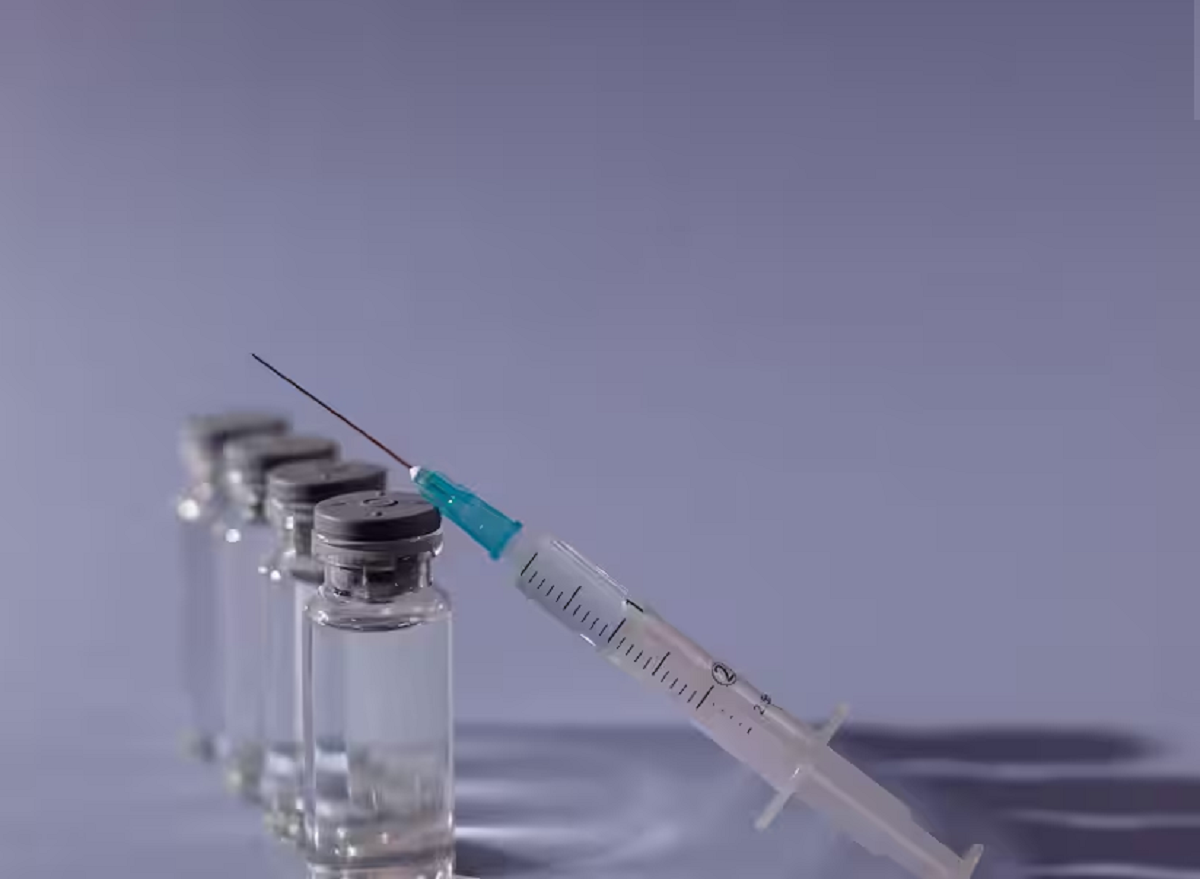
A serious drug-safety concern has emerged in India after vials labelled as the anti-rabies vaccine Abhayrab were seized from an unlicensed premises in Delhi and later failed a government potency test.
The vials carried batch number KE25012 and were recovered from Mukherjee Nagar. Testing by the Central Drugs Laboratory in Kasauli found the seized sample to be “Not of Standard Quality” and misbranded. Authorities are investigating the suspected counterfeit supply, while the official manufacturer, Indian Immunologicals Limited, has said the seized vials were not produced by the company.
The case is particularly significant because rabies vaccination is time-sensitive after exposure to a potentially infected animal. However, the investigation concerns the suspicious vials recovered through an unauthorised channel and should not be interpreted as meaning that all Abhayrab vaccines in circulation are affected.
What Happened With Abhayrab Batch KE25012?
The investigation centres on vials bearing the Abhayrab name and batch number KE25012.
According to regulatory information reported in the case, the samples were collected during an enforcement action at an unlicensed residential premises in Delhi’s Mukherjee Nagar.
They were subsequently sent to the Central Drugs Laboratory in Kasauli for examination.
The tested sample failed the required potency criteria and was classified as Not of Standard Quality, raising questions about whether the product contained an effective vaccine in the form claimed on its label.
Manufacturer Says the Seized Vials Were Not Its Product
Indian Immunologicals Limited, which manufactures Abhayrab, has stated that the seized vials were not made by its Human Biologicals Institute division.
According to the company, investigators compared the recovered vials with authentic retention samples and official batch records.
The comparison reportedly revealed 17 differences involving elements such as labelling, packaging, QR codes, cap colour and other product details.
These discrepancies strengthened suspicion that the seized products may have been counterfeit rather than genuine vaccine units released by the manufacturer.
Genuine Batch Was Released Through Authorised Channels
An important distinction has been made between the suspicious seized vials and the genuine batch carrying the same number.
Indian Immunologicals said the authentic KE25012 batch had undergone required testing and batch-release certification before being supplied through authorised distribution channels.
The company said the genuine batch consisted of 83,370 vials and maintained that vaccines reaching patients through hospitals, clinics, government facilities or licensed pharmacies via the authorised supply chain were not affected by the seized counterfeit-vial investigation.
This distinction is important because a warning linked to counterfeit products should not create unnecessary fear about genuine vaccines obtained from legitimate healthcare facilities.
DCGI Tells States to Increase Vigilance
Following the findings, the Drugs Controller General of India alerted state drug regulators and asked them to maintain close surveillance over the sale and distribution of products linked to the suspicious batch.
Regulatory authorities have also been asked to take appropriate action where required.
The objective is to identify whether additional counterfeit or misbranded vials entered the supply chain and prevent unauthorised products from reaching patients.
Four People Arrested in Connection With the Case
The investigation has also led to law-enforcement action.
Four people have been arrested in connection with the suspected illegal drug distribution operation uncovered in Delhi.
Authorities are investigating where the seized vials came from, how they were manufactured or obtained and whether they were distributed elsewhere.
The exact number of suspicious vials that may have reached the market has not been publicly established in the reporting available so far.
Why a Fake Rabies Vaccine Can Be Especially Dangerous
Counterfeit medicines are dangerous in any situation, but the risk becomes particularly serious when the product is supposed to prevent a potentially fatal infection such as rabies.
Rabies post-exposure treatment needs to be given correctly and without unnecessary delay after a potentially risky animal bite or scratch.
If a patient unknowingly receives a counterfeit or ineffective vaccine, they may believe they are protected when adequate immunity has not actually been achieved.
That is why vaccine authenticity, proper storage and administration through recognised healthcare channels are extremely important.
Similar Abhayrab Concerns Were Reported Earlier
This is not the first time counterfeit Abhayrab products have drawn regulatory attention.
A separate issue involving another batch was reported in early 2025, leading health authorities in several countries to issue precautionary guidance for some travellers who had received rabies vaccination in India.
The latest case involving KE25012 is separate and relates to vials recovered in Delhi in 2026.
What Should Patients Do?
People who need rabies vaccination should not delay medically recommended treatment because of reports about counterfeit products.
The safer approach is to receive vaccination from a recognised hospital, government health facility, licensed clinic or authorised pharmacy.
Anyone who is concerned about a vaccine they previously received, particularly if it came from an unlicensed or uncertain source, should contact a qualified healthcare professional or the facility where the vaccine was administered.
Patients should not attempt to decide on their own whether a dose needs to be repeated.
Why Buying Vaccines From Authorised Sources Matters
Vaccines require strict manufacturing, testing, transportation and storage controls.
Purchasing or receiving injectable medicines from unauthorised sellers, informal markets or unlicensed premises can increase the risk of counterfeit products, improper storage or tampering.
The Abhayrab investigation reinforces the importance of checking that medicines and vaccines come through recognised medical channels.
For patients, the key message is not to avoid rabies vaccination but to make sure it is obtained from a legitimate source.
As authorities continue tracing the origin and distribution of the seized vials, regulators are maintaining surveillance to prevent suspected counterfeit products from reaching more patients.