World Physiotherapy Day is observed every year on September 8 to highlight the contribution physiotherapists make to healthcare and rehabilitation. Although physiotherapy is often associated with joint pain, fractures and sports injuries, it also has a crucial role in helping people recover after a stroke.
A stroke can affect the brain’s ability to control movement, balance and coordination. Depending on the location and severity of the brain injury, a survivor may experience weakness or paralysis on one side of the body, muscle stiffness, difficulty walking, reduced endurance or problems performing routine tasks.
Physiotherapy cannot reverse the brain damage caused by a stroke. However, a structured rehabilitation programme can help survivors improve their functional abilities, relearn movement patterns and become as independent as possible.
How a Stroke Affects Physical Movement
A stroke occurs when blood flow to part of the brain is interrupted or when a blood vessel in the brain ruptures. The resulting injury can affect different physical and mental functions.
Some survivors have difficulty sitting upright, standing safely or transferring from a bed to a chair. Others may be able to walk but experience poor balance, reduced speed or a higher risk of falling.
Common physical difficulties after a stroke include:
- Weakness or paralysis on one side
- Poor balance and coordination
- Muscle stiffness or spasms
- Reduced joint movement
- Difficulty standing or walking
- Fatigue and low physical endurance
- Shoulder pain or reduced arm movement
- Changes in posture and walking pattern
The effects differ from person to person, so rehabilitation must be based on an individual assessment.
What Does a Physiotherapist Do After a Stroke?
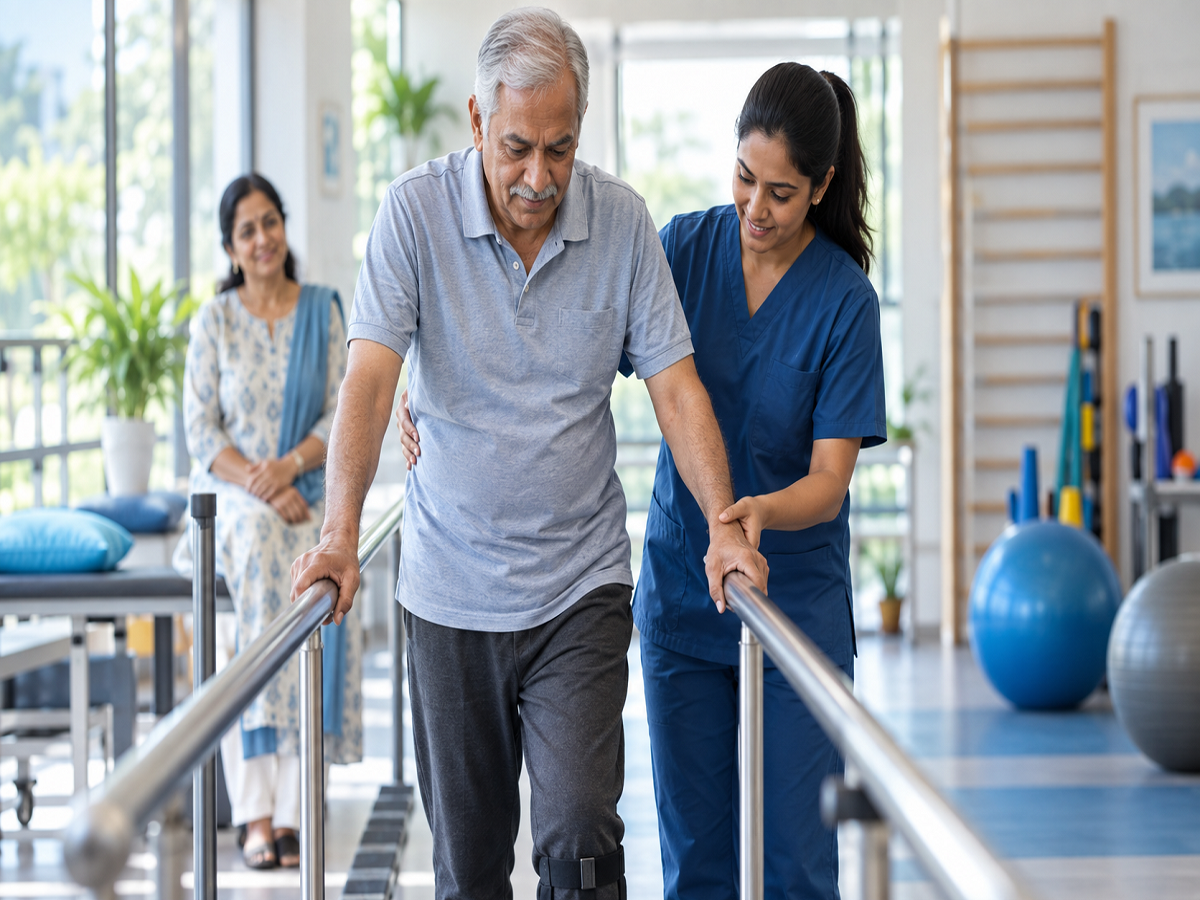
A physiotherapist evaluates how the stroke has affected the patient’s strength, mobility, posture, balance and coordination. The therapist then develops a personalised plan based on the patient’s condition and practical goals.
Treatment may initially focus on basic activities such as changing position in bed, sitting without support and safely moving from the bed to a chair. As the patient improves, therapy may progress to standing, walking, climbing stairs and performing activities needed at home or work.
The World Health Organization says physiotherapy can support improvements in mobility, muscle strength, balance and coordination after a stroke. Rehabilitation should involve multiple professionals and begin once the patient is medically stable. WHO stroke guidance
Physiotherapy Helps Rebuild Strength and Mobility
Weakness is one of the most common consequences of a stroke. Repeated, goal-based exercises can help activate affected muscles and improve control.
A physiotherapist may use exercises targeting the legs, arms and trunk. The programme may include supported standing, stepping practice, reaching movements and walking training.
The objective is not simply to make muscles stronger. Therapy also helps the brain and body practise coordinated movements needed for everyday life. This ability of the nervous system to adapt and develop new pathways is often described as neuroplasticity.
Repetition is important, but exercises must be selected carefully. Attempting an unsuitable movement without supervision can lead to a fall, pain or poor movement habits.
Balance Training May Reduce the Risk of Falls
Balance problems can make a stroke survivor feel unsteady while sitting, standing or walking. Fear of falling may then discourage movement, leading to further weakness and loss of confidence.
Physiotherapists identify the movements and situations that create difficulty before prescribing appropriate balance exercises. These may involve shifting body weight, changing direction, standing with support or practising safe walking.
The Stroke Association notes that physiotherapy can improve balance and confidence while helping reduce the risk of falls. Stroke Association balance guidance
Therapists may also recommend walking aids, handrails or changes inside the home to improve safety.
When Should Rehabilitation Begin?
Stroke rehabilitation should begin as soon as the patient is medically stable, often during the hospital stay. The exact timing and intensity depend on the person’s condition, the type and severity of stroke and the medical team’s assessment.
Early rehabilitation does not mean pushing a patient beyond safe limits. It involves carefully planned activities that may begin with positioning, breathing exercises, joint movement and supported sitting.
The programme can continue after discharge through outpatient appointments, home-based rehabilitation or telerehabilitation. The NHS notes that a recovery plan may include physiotherapy for movement, cognitive rehabilitation, psychological support and therapy for speech, swallowing or vision problems. NHS stroke recovery guidance
Recovery Requires a Multidisciplinary Team
Physiotherapy is important, but stroke rehabilitation usually involves more than one type of treatment.
A comprehensive team may include:
- Physiotherapists for movement, strength and balance
- Occupational therapists for dressing, bathing, cooking and other daily activities
- Speech and language therapists for communication and swallowing problems
- Doctors and nurses for medical care and risk-factor management
- Psychologists or counsellors for emotional and cognitive difficulties
- Dietitians for nutrition and safe dietary planning
The rehabilitation plan should reflect the survivor’s priorities. For one person, the main goal may be walking independently; for another, it may be using the affected hand or safely moving around the home.
Can Patients Exercise at Home?
Home exercises can be valuable when they are recommended by the treating physiotherapist. Family members may help by providing encouragement, maintaining a safe environment and following the therapist’s instructions.
Patients should not copy random exercises from social media because a movement suitable for one survivor may be unsafe for another. Stroke can affect sensation, blood pressure, balance and joint stability, making professional assessment necessary.
Stop exercising and seek medical advice if the patient develops chest pain, severe breathlessness, fainting, a sudden intense headache or new neurological symptoms.
Recovery Can Continue Over Time
The pace of recovery varies widely. Some people make rapid progress during the first few weeks, while others improve gradually over months or years. Progress may also occur unevenly, with periods when little change is noticeable.
Regular practice, realistic goals and support from caregivers can help maintain motivation. Rehabilitation should be reviewed as the patient’s abilities and needs change.
Any sudden return or worsening of stroke symptoms—such as facial drooping, arm weakness, speech difficulty, loss of balance or vision changes—requires emergency medical attention. Rehabilitation exercises should never delay urgent treatment for a possible new stroke.
Medical disclaimer: This article is intended for general awareness and does not replace advice from a neurologist, rehabilitation physician or qualified physiotherapist. Stroke survivors should follow an individual treatment plan prepared by their healthcare team.