
Business
CNG Price Hike in Delhi-NCR: Rates Jump ₹3.89 Per Kg; Check New Prices in Noida, Gurugram and Ghaziabad
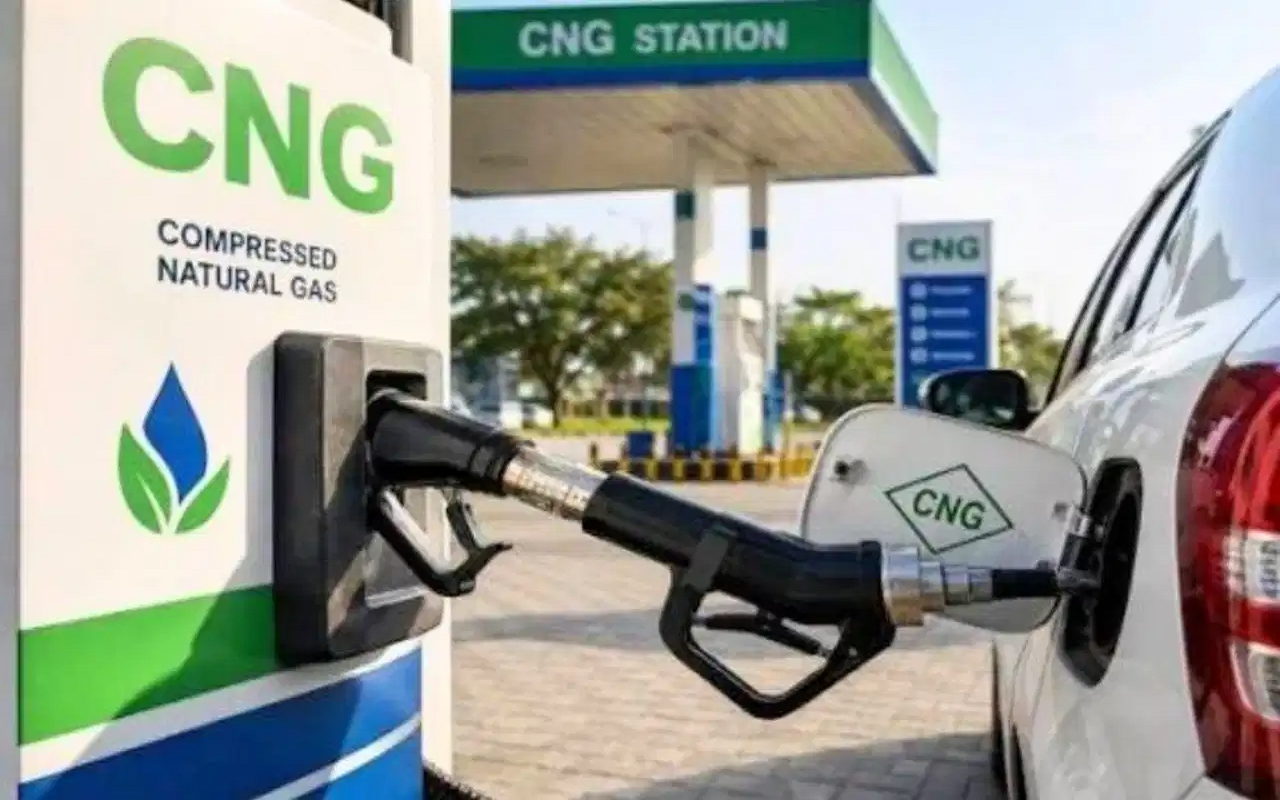
CNG vehicle owners across Delhi-NCR are facing higher fuel expenses from Saturday, August 29, 2026, after Indraprastha Gas Limited (IGL) raised Compressed Natural Gas prices by ₹3.89 per kilogram. The revised rates came into effect at 6 am and apply across Delhi and several neighbouring cities supplied by the company.
The latest increase could particularly affect auto-rickshaw drivers, cab operators, commercial transporters and other motorists who depend heavily on CNG for their daily operations.
According to IGL, higher input costs have made the price revision necessary. A significant portion of the gas required for supplying CNG comes from imported Liquefied Natural Gas (LNG), whose international prices have risen sharply amid continuing geopolitical tensions in West Asia.
The August increase is also notable because it is the fifth CNG price hike this year and the first revision since May.
CNG Becomes ₹3.89 Per Kg More Expensive
IGL had announced on Friday that CNG prices would rise by ₹3.89 per kg from Saturday morning.
The company attributed the decision to elevated international LNG prices and the resulting increase in the cost of sourcing gas. According to IGL, the latest hike is intended to partially offset the rise in input expenses rather than fully recover the additional cost.
The revised price became applicable from 6 am on August 29.
For motorists, a ₹3.89 per kg increase can make a noticeable difference over time. A vehicle consuming 10 kg of CNG a day, for example, would face an additional fuel expense of ₹38.90 daily if consumption remains unchanged.
Over 30 days, this would translate into approximately ₹1,167 in additional expenditure.
New CNG Prices in Noida, Ghaziabad, Gurugram and Meerut
Following the latest revision, CNG prices vary across Delhi-NCR and nearby cities.
In Noida and Ghaziabad, CNG is now priced at ₹95.59 per kg.
Consumers in Meerut will pay ₹95.47 per kg, while the revised CNG price in Gurugram stands at ₹92.01 per kg.
The difference in CNG rates between locations is partly linked to varying tax structures. Just as petrol and diesel prices can differ between states, CNG prices are also affected by differences in Value Added Tax (VAT) and other applicable components.
Fifth CNG Price Increase of 2026
The latest revision is not an isolated increase.
This is reportedly the fifth time CNG prices have been raised this year. The previous round of increases came in May, when rising global energy costs linked to tensions in West Asia put pressure on gas prices.
During a period of just 10 days in May, IGL raised CNG rates in four separate stages. Together, those revisions increased the price by ₹6 per kg.
The ₹3.89 increase announced for August 29 is the first hike since those May revisions.
Repeated increases mean CNG users are now paying considerably more than they were earlier in the year, adding to transportation expenses for households and businesses.
Why Are CNG Prices Rising?
International LNG prices are one of the major factors behind the latest increase.
IGL relies partly on imported LNG to meet its gas requirements. When LNG becomes substantially more expensive in global markets, the cost of supplying CNG domestically can also rise.
Global gas markets have faced renewed pressure amid the West Asia crisis and disruptions affecting movement through the Strait of Hormuz, a strategically important route for international energy shipments.
LNG prices have reportedly risen sharply since July compared with levels seen before the latest escalation in tensions.
The Asian JKM LNG benchmark, for example, has increased from around $11 per million British thermal units (MMBtu) in February to approximately $23.4 per MMBtu in August.
Europe's TTF gas benchmark has followed a similar trajectory, rising from roughly $11.3 per MMBtu to around $23.3 per MMBtu.
European LNG Demand Adds Pressure to Global Market
Another factor influencing international LNG prices is stronger demand from Europe.
With winter approaching, European countries have been building up gas inventories to strengthen energy security for the colder months. Increased LNG purchases from Europe can intensify competition for available supplies in the international market.
When several major importing regions compete for LNG cargoes at the same time, spot-market prices can rise, increasing procurement costs for buyers elsewhere, including India.
Auto, Taxi and Commercial Vehicle Costs Could Rise
Delhi-NCR has a large number of auto-rickshaws, taxis and goods vehicles that operate on CNG. As a result, repeated fuel-price increases can have consequences beyond private motorists.
Commercial drivers who travel hundreds of kilometres every day are particularly sensitive to changes in fuel costs. If operating expenses continue to rise, pressure could eventually build on passenger fares and freight charges.
However, a CNG price hike does not automatically mean that fares will increase immediately, as fare revisions depend on decisions by operators and, where applicable, transport authorities.
What the Latest CNG Hike Means for Delhi-NCR
The ₹3.89-per-kg revision from August 29 represents another significant increase for CNG consumers after four price hikes in May.
Higher international LNG prices, geopolitical uncertainty and stronger global demand have all contributed to pressure on gas procurement costs.
For consumers, the immediate impact is straightforward: filling a CNG vehicle will now cost more. For high-mileage commercial drivers, however, the cumulative effect could be considerably larger, making future movements in global LNG and domestic CNG prices important to watch.