Technology
Driving Licence Rules 2026: Government Proposes 75% Passing Marks for Online Test, Fee Waivers and Faster DL Updates
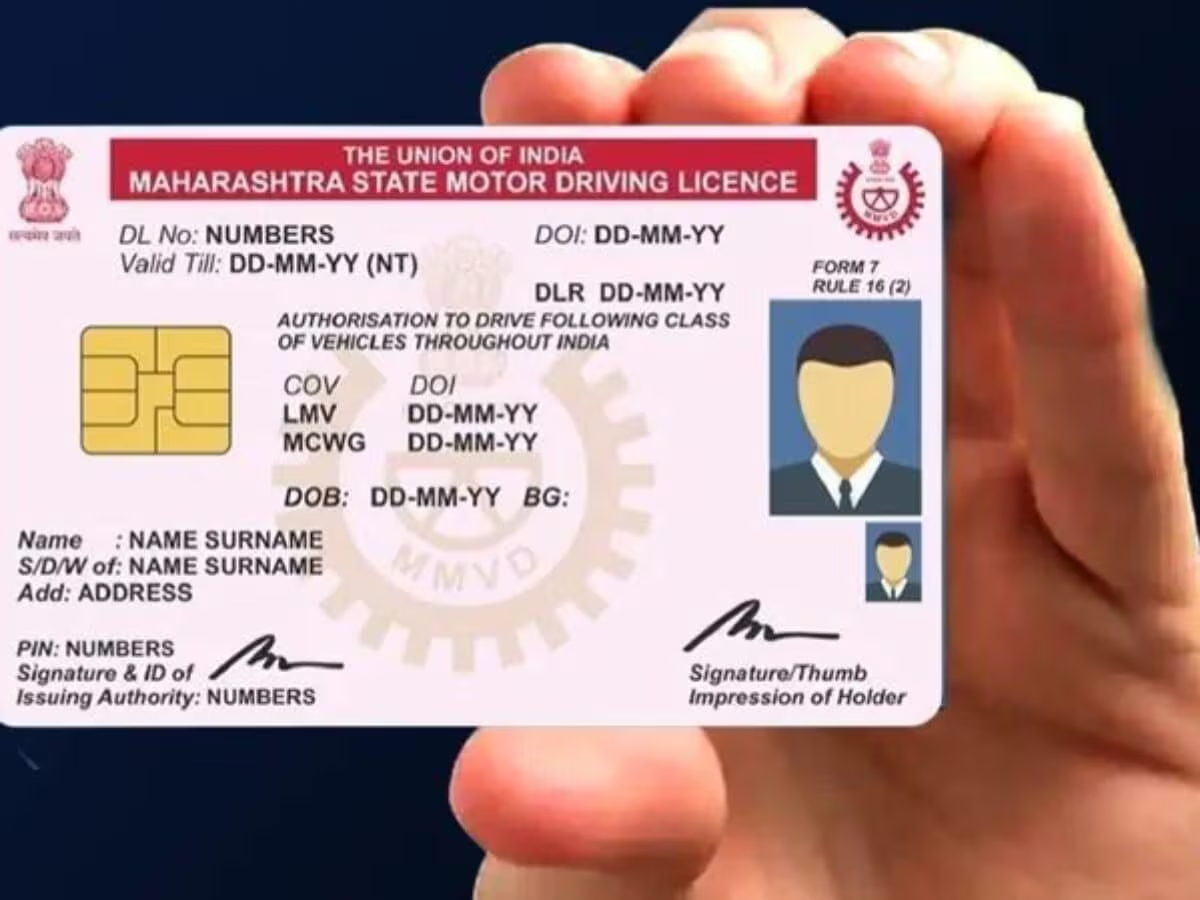
Driving Licence New Rules 2026: People planning to apply for a driving licence in India may soon face stricter requirements under proposed changes to the Central Motor Vehicles Rules. The Ministry of Road Transport and Highways (MoRTH) has released draft amendments seeking to increase the minimum passing score for an online safe-driving examination from 60% to 75%.
The proposal also introduces several measures intended to simplify driving licence services, including possible fee exemptions for updating personal information, faster processing of applications and wider acceptance of identity documents.
According to a report published on October 23, 2026, the government has invited public objections and suggestions before finalising the proposed amendments.
Importantly, the 75% passing requirement is still a draft proposal, not an already implemented nationwide rule.
Driving Licence Rules 2026: What Changes Have Been Proposed?
The proposed amendments cover online driver education, licence-related administrative services and document verification.
| Proposed Change | Details |
|---|---|
| Online test passing marks | Increase from 60% to 75% |
| Safe-driving course duration | At least 30 minutes |
| Aadhaar-verified online services | Fee concessions for selected services |
| Name and address corrections | Proposed removal of applicable fees |
| Application processing | Decision within 15 days for specified changes |
| Rejected applications | Authorities must provide reasons |
| Accepted identity documents | Aadhaar, passport, voter ID, e-ration card and birth certificate, as applicable |
| Driving licence format | Laminated or PVC card under Form 7 |
| Public consultation | Objections and suggestions invited within 30 days |
These measures will become enforceable only after the government completes the necessary rulemaking process and issues the applicable final notification.
Will Applicants Need 75% Marks to Get a Driving Licence?
Under the proposed system, applicants completing the prescribed online safe-driving tutorial assessment would need to secure at least 75% marks, compared with the existing threshold of 60%.
For example, if an assessment contains 20 equally weighted questions, a 75% passing requirement would mean answering at least 15 correctly, compared with 12 under a 60% threshold.
The proposal also requires the tutorial to last at least 30 minutes and extends the period allowed to complete it from seven days to 15 days.
Importantly, the proposed 75% score relates to the specified safe-driving tutorial assessment. It should not be confused with a blanket requirement for every practical driving test or every stage of the licensing process.
Driving Licence Name and Address Updates Could Become Free
Another significant proposal concerns charges for correcting or changing personal information on an existing driving licence.
The ministry wants to eliminate fees for specified updates, including changes to a licence holder's name and address.
Under the proposed procedure, applicants would submit their requests online with supporting documents.
Licensing authorities would have 15 days to approve or reject an application. If an application is rejected, the authority would have to explain the reason.
The draft also proposes that an address-change request left undecided for 30 days would be treated as approved.
These changes could reduce unnecessary visits to transport offices and make routine corrections easier.
Which Documents Could Be Accepted for Driving Licence Applications?
The proposed amendments revise the documentary evidence that applicants may submit for identity, age and residence verification.
Depending on the purpose, accepted documents could include:
- Aadhaar card
- Passport
- Voter identity card
- E-ration card
- Birth certificate
- Recognised educational certificates
- Specified government-issued identity or pension documents
- Recent electricity or household gas bills for address verification
The ministry also proposes removing certain affidavits and life insurance policies from the accepted documentary lists.
Not every document would necessarily qualify as proof of every category. Applicants must follow the specific requirements applicable to identity, age and residence.
New Driving Licence Cards May Include Additional Information
The draft proposes issuing new and renewed driving licences in laminated or PVC card format under Form 7.
It also proposes different colour schemes for Indian and foreign nationals.
Additional information may include nationality, blood group, mobile number and emergency contact details.
The revised format could also incorporate QR-code-readable information to support verification.
Separate Vehicle Safety Rules From October 2027
Alongside the proposed licensing changes, the government has also notified separate vehicle safety requirements.
According to the supplied report, new M1-category passenger vehicles will be required to incorporate an anti-theft immobiliser meeting AIS-076 requirements from October 1, 2027.
An immobiliser is an electronic security mechanism designed to prevent unauthorised starting of a vehicle.
The notification also establishes phased implementation dates for updated frontal-impact, side-impact and pedestrian-protection standards, extending into later years.
These vehicle-manufacturing requirements are separate from the draft driving licence examination rules.
When Will the Proposed Driving Licence Rules Become Effective?
The draft amendments were published in the Gazette of India on October 21, 2026, with stakeholders invited to submit objections and suggestions within 30 days.
The government will consider the feedback before finalising the changes.
Until a final notification takes effect, the existing applicable rules, procedures and fees continue to govern driving licence applications.
Applicants can check services and application requirements through the official Parivahan portal.
Final Takeaway
India's proposed driving licence reforms combine stricter road-safety assessment requirements with simpler administrative procedures.
The most important proposed change is an increase in the safe-driving tutorial passing threshold from 60% to 75%. Other measures include a minimum 30-minute tutorial, selected fee exemptions, faster processing of licence corrections and updated identification requirements.
As of October 23, 2026, these licensing changes remain proposals. Applicants should not assume that the 75% passing rule or new fee waivers are already in force.
Disclaimer: This article is based on the draft Central Motor Vehicles Rules amendments and reporting available as of October 23, 2026. Final provisions may change following the public consultation process.