Technology
Online Shopping Scam Alert 2026: Fake Discounts and Sale Offers Could Empty Your Bank Account, Follow These Safety Tips
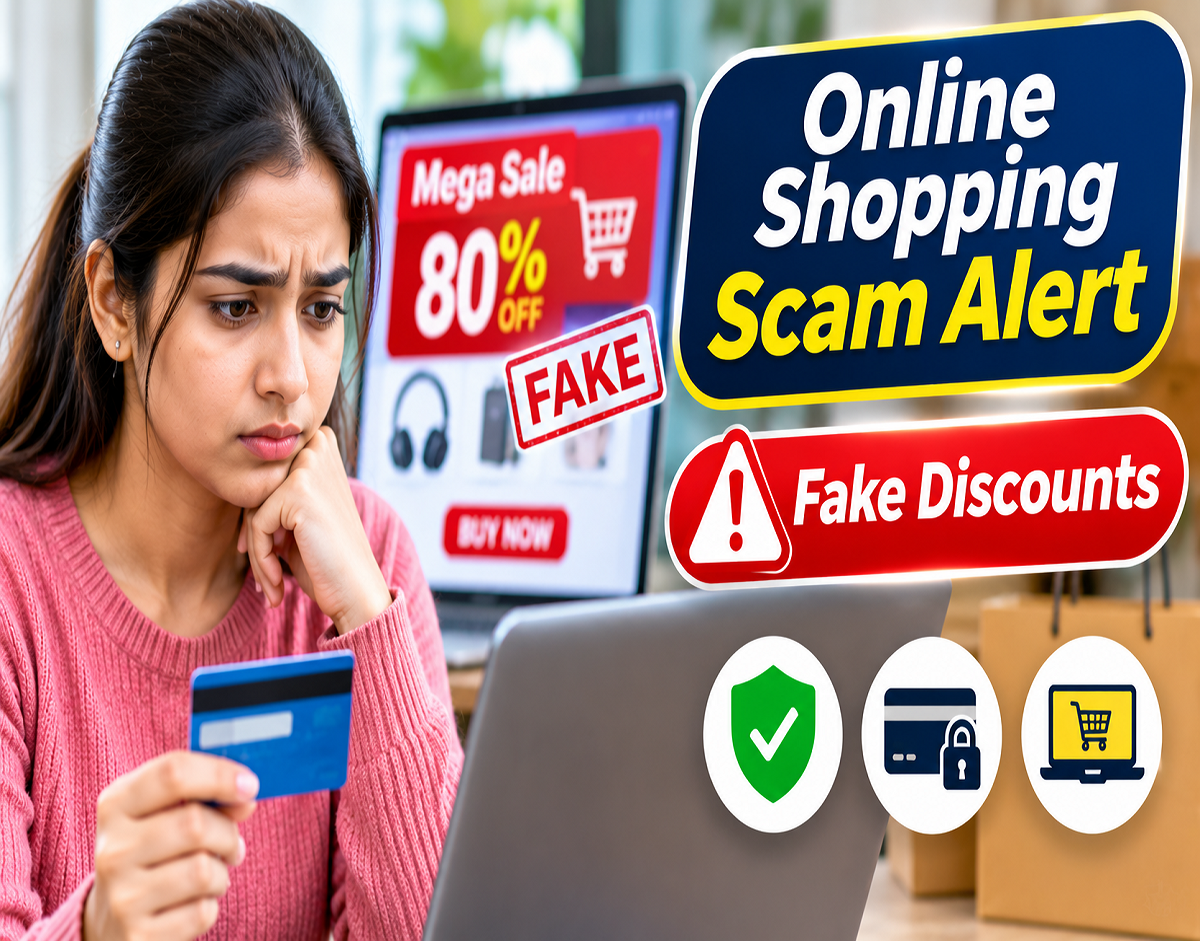
Online Shopping Fraud Alert 2026: The Diwali celebrations may be over, but the online shopping season is far from finished. With Bhai Dooj promotions, Black Friday deals and year-end clearance sales attracting customers, cybercriminals are finding fresh opportunities to target unsuspecting shoppers.
Attractive discounts, limited-time offers and messages promising expensive gifts can encourage people to make quick purchasing decisions. However, not every promotional message or shopping website is genuine. Fraudsters frequently exploit festive shopping trends by creating fake websites, circulating misleading advertisements and sending fraudulent payment requests.
A report published by Prabhat Khabar on November 9, 2026, highlights how online shoppers can become targets of financial fraud even after the main festive season ends.
Consumers are therefore being advised to verify shopping platforms, avoid suspicious links and protect their banking information while purchasing products online.
Online Shopping Fraud 2026: How Serious Is the Threat?
The growing popularity of online shopping has made digital transactions a regular part of everyday life. Customers can compare products, browse discounts and complete purchases without visiting physical stores.
However, this convenience also creates opportunities for online criminals.
According to figures attributed to the GSMA India Consumer Scam Report 2026 in the source article, approximately 12% of Indian consumers experienced scams during the preceding year.
The report also states that 33% of the reported scam cases were connected with online shopping.
These figures underline the importance of digital awareness, particularly during periods when customers receive large numbers of promotional messages.
The statistics should be understood in the context of the report's surveyed population and methodology, rather than as a direct measure of every online transaction in India.
Fake Shopping Websites: How Cybercriminals Trick Customers
One of the most common methods used in online shopping scams involves websites designed to resemble legitimate e-commerce platforms.
Fraudsters may copy the appearance of popular shopping websites, including their layouts, product photographs and promotional banners.
These websites sometimes advertise branded smartphones, electronic appliances, clothing and other products at unusually low prices.
Customers who do not examine the website address carefully may believe they are shopping through a genuine platform.
After receiving payment, the fraudulent website may fail to deliver the product or stop responding to customer complaints.
In some cases, fake websites may also collect personal information or payment-related details.
Prize Messages and Free Gift Offers Can Be Dangerous
Another technique involves sending messages claiming that the recipient has won an expensive reward.
For example, a person might receive a WhatsApp message stating that they have won a smartphone, shopping voucher or valuable gift.
The message may instruct the recipient to click a link to claim the prize.
Once the link is opened, the user may be directed to a suspicious website requesting personal details, payment information or a small processing fee.
Some fraudsters also create urgency by claiming that the reward will expire within minutes.
Consumers should remember that receiving an unexpected prize notification does not establish that the offer is genuine.
Any such claim should be verified directly through the official website or application of the company involved.
QR Code and UPI Scams: Never Enter Your PIN to Receive Money
UPI-related fraud is another important concern during online sales.
Scammers may contact customers pretending to be sellers, delivery agents or refund representatives.
They may claim that a refund or cashback payment is waiting and instruct the customer to scan a QR code.
However, scanning a payment QR code and approving a transaction using a UPI PIN can result in money being transferred out of the customer's account.
A UPI PIN is generally required to authorise a payment, not to receive money.
Customers should never enter their UPI PIN simply because someone claims they need it to process a refund, prize or incoming payment.
Similarly, OTPs, card PINs and banking passwords should never be disclosed to unknown callers or messaging contacts.
Common Online Shopping Scams and Warning Signs
| Scam Type | How It Works | Warning Sign |
|---|---|---|
| Fake Discount Offers | Fraudsters advertise products at unrealistic prices | Extremely high discounts |
| Duplicate Shopping Websites | Fake pages imitate established retailers | Unusual website spelling or address |
| Prize and Gift Scams | Messages promise unexpected rewards | Requests for fees or personal information |
| Fake Gift Cards | Fraudulent vouchers redirect users to suspicious websites | Unverified promotional links |
| Ticket Booking Fraud | Criminals advertise misleading travel booking offers | Unauthorised booking platforms |
| QR Code Fraud | Scammers ask customers to scan payment codes | UPI PIN requested to receive money |
| Fake Refund Calls | Impersonators claim to process cancelled orders | Requests for OTPs or banking credentials |
| Urgency-Based Scams | Offers claim to expire almost immediately | Pressure to pay without verification |
Understanding these patterns can help shoppers recognise suspicious activity before making a payment.
Why Extremely Cheap Deals Should Raise Suspicion
Heavy discounts are common during festive and clearance sales. However, an unusually low price can sometimes be used to attract customers to fraudulent websites.
For example, an expensive electronic device advertised at a fraction of its normal market price should encourage additional verification.
Before purchasing, consumers should compare the advertised price with listings on established retail platforms.
They should also check the seller's identity, customer reviews, return policy and available contact information.
A professional-looking website does not automatically mean that the business behind it is trustworthy.
How to Identify a Fake Shopping Website
Consumers should examine the website address before entering personal or payment information.
Fraudulent websites sometimes use domain names that closely resemble legitimate brands but contain additional letters, numbers or spelling differences.
Customers should also look for incomplete contact information, unclear refund policies and suspicious payment instructions.
Although a secure HTTPS connection is important, the padlock symbol alone does not prove that a website is legitimate.
Fraudsters can also operate websites with HTTPS enabled.
The safest approach is to access shopping platforms through their official applications or by typing the verified website address directly into the browser.
Online Shopping Safety Tips: How to Protect Your Money
Customers can reduce the risk of online fraud by following a few precautions.
1. Shop through verified platforms: Use official retailer websites or trusted applications rather than unfamiliar links received through messages.
2. Check discounts carefully: Compare product prices before trusting offers that appear unusually generous.
3. Avoid unknown promotional links: Do not immediately open messages claiming that you have won gifts or exclusive rewards.
4. Protect banking information: Never share OTPs, UPI PINs, card PINs or passwords with anyone.
5. Verify payment requests: Check the recipient's details and transaction amount before approving a UPI payment.
6. Review seller information: Examine return policies, delivery conditions and customer feedback before placing an order.
7. Use safer payment options: Where available and appropriate, consider payment methods offering buyer protection or genuine cash-on-delivery options.
8. Keep transaction records: Save payment confirmations, order details and communications until the purchase is completed.
These precautions are particularly important during large promotional campaigns when consumers may be tempted to purchase products quickly.
What Should You Do If You Become a Victim of Online Shopping Fraud?
If money has been transferred to a fraudulent account or a suspicious transaction has occurred, immediate action is important.
Victims should contact their bank or payment service provider as soon as possible and report the unauthorised or fraudulent transaction.
In India, individuals can report financial cybercrime through the national cybercrime helpline.
INDIA CYBER FRAUD REPORTING
1930
National Cybercrime Helpline
Online complaint portal: cybercrime.gov.in
When filing a complaint, victims should provide available transaction details, payment reference numbers, screenshots and relevant communications.
Prompt reporting can improve the chances of authorities and financial institutions taking timely action. However, recovery of lost money is not guaranteed.
Black Friday and Year-End Sales: Why Shoppers Should Stay Alert
Even after Diwali, several shopping events continue to attract customers looking for discounted products.
Black Friday promotions, winter sales and year-end clearance campaigns can generate significant online shopping activity.
Cybercriminals may exploit these events by circulating fake discount advertisements through social media, messaging applications and fraudulent websites.
The risk becomes greater when customers feel pressured to complete transactions before an offer expires.
Taking a few additional minutes to verify the seller and payment details can help prevent avoidable financial losses.
Online Shopping Fraud Prevention: Awareness Is Your Best Protection
Digital shopping offers convenience, variety and competitive prices, but consumers must remain cautious when encountering unfamiliar offers.
Fake websites, prize notifications, suspicious payment requests and misleading discounts are among the methods used by online fraudsters.
The most effective protection is to verify the authenticity of shopping platforms, safeguard sensitive information and avoid making rushed payments.
Remember: A genuine discount should help you save money, not pressure you into risking your savings.
If a shopping offer looks suspicious or requires confidential banking information, it is safer to stop the transaction and verify the details before proceeding.