
Business
Petrol Diesel Price Today: Check Latest Fuel Rates in Delhi, Mumbai, Kolkata and Other Cities
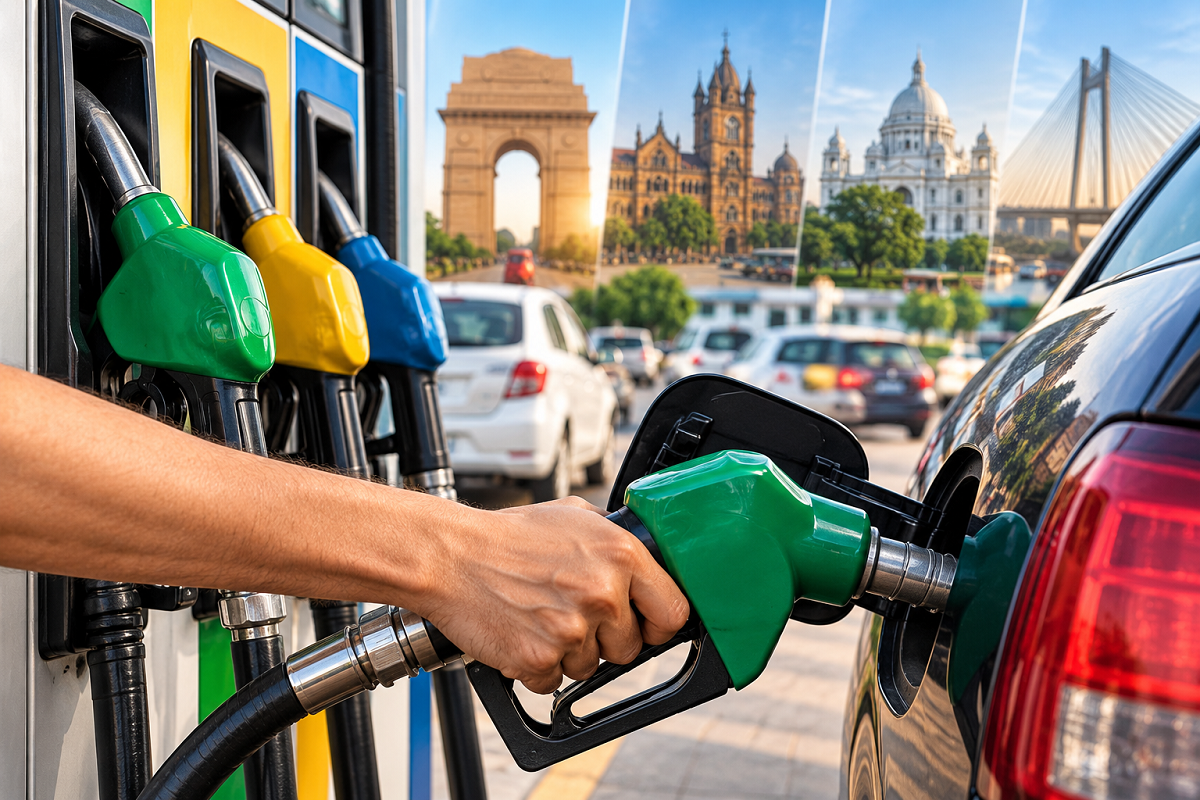
Petrol and diesel prices remained unchanged across major Indian cities on September 8, 2026, providing some stability to motorists even as international crude oil prices continue to climb. Consumers in Delhi are paying ₹102.12 per litre for petrol and ₹95.20 per litre for diesel, while fuel remains considerably more expensive in several other cities.
The stability in domestic retail prices comes at a time when the global energy market is facing renewed uncertainty. Crude oil has moved sharply higher amid geopolitical tensions and concerns over international supply routes. Since India depends heavily on imported crude to meet its energy requirements, a sustained increase in international oil prices could raise the country's import costs and potentially create pressure on domestic fuel prices.
For now, however, motorists continue to pay the prevailing rates at petrol pumps.
Petrol and Diesel Prices on September 8, 2026
Fuel prices differ from city to city because of factors that influence the final retail rate. According to the rates provided for September 8, petrol in Delhi costs ₹102.12 a litre, while diesel is available at ₹95.20.
Mumbai motorists are paying ₹111.31 per litre for petrol and ₹97.97 for diesel. In Kolkata, petrol costs ₹113.51 per litre and diesel ₹99.82.
Chennai has petrol priced at ₹107.78 a litre, while diesel costs ₹99.56.
Here are the fuel prices reported across nine cities on September 8:
| City | Petrol Price (Per Litre) | Diesel Price (Per Litre) |
|---|---|---|
| Delhi | ₹102.12 | ₹95.20 |
| Mumbai | ₹111.31 | ₹97.97 |
| Kolkata | ₹113.51 | ₹99.82 |
| Chennai | ₹107.78 | ₹99.56 |
| Bareilly | ₹102.25 | ₹95.46 |
| Patna | ₹113.35 | ₹99.36 |
| Ranchi | ₹106.12 | ₹100.49 |
| Agra | ₹101.90 | ₹95.02 |
| Gwalior | ₹114.30 | ₹99.35 |
Crude Oil Prices Are Moving Higher
Although Indian petrol and diesel rates have remained stable, developments in the international crude market are attracting attention.
According to the source article, Brent crude was trading at around $97.13-$97.31 per barrel after touching a higher level of $98.06 in the previous session. The US benchmark West Texas Intermediate (WTI) was trading around $92.63-$92.70 per barrel.
The article also notes that crude prices have moved close to the $100-per-barrel level, raising concerns about the impact on oil-importing countries.
This is particularly relevant for India because a large proportion of the crude oil required by the country is sourced from overseas markets.
Why Rising Crude Prices Matter for India
A prolonged rise in international crude prices can increase the amount India spends on oil imports. This can have wider implications because petroleum products play an important role across transportation, manufacturing and several other sectors of the economy.
For ordinary consumers, petrol and diesel prices are especially important because they directly influence the cost of commuting.
Fuel costs can also indirectly affect household budgets. Trucks and other commercial vehicles transport food, consumer goods and industrial products across the country, meaning higher transportation expenses can potentially increase costs elsewhere in the supply chain.
However, an increase in global crude prices does not automatically mean that petrol and diesel prices at Indian pumps will rise by exactly the same amount or immediately.
Geopolitical Tensions Add Pressure to Oil Markets
The source article attributes the recent surge in crude prices partly to heightened tensions in the Middle East and concerns about disruptions to oil transportation.
Oil traders closely monitor geopolitical developments because disruptions affecting major producing regions or shipping routes can influence global supply expectations.
Any uncertainty surrounding the movement of oil tankers can therefore create volatility in international crude prices.
Strait of Hormuz Remains Crucial for Global Oil Supplies
Another major factor influencing market sentiment is the Strait of Hormuz.
The strategically important maritime route plays a significant role in international energy transportation. The source article states that around one-fifth of global oil trade passes through this route.
Any disruption to vessel movements through this region can therefore raise concerns about whether oil supplies will reach global markets without interruption.
When traders fear supply shortages or transportation delays, crude oil prices can move higher even before an actual shortage emerges.
Why Fuel Prices Differ Across Indian Cities
Consumers often wonder why petrol and diesel do not cost the same everywhere in India.
The retail price paid at a fuel station can vary because of taxes and other location-specific components. This is why motorists may find noticeable differences in petrol and diesel rates when travelling between cities or states.
For example, according to the September 8 rates listed above, petrol costs ₹102.12 per litre in Delhi but ₹114.30 per litre in Gwalior.
Such differences can become significant for consumers who purchase large quantities of fuel every month.
Check the Latest Rate Before Filling Your Tank
For motorists, the immediate relief is that petrol and diesel rates reported for September 8, 2026, have not changed despite the pressure visible in international crude markets.
Delhi consumers are paying ₹102.12 per litre for petrol and ₹95.20 for diesel, while prices remain higher in cities including Mumbai, Kolkata, Patna and Gwalior.
With crude oil trading at elevated levels, global energy markets remain an important factor to watch. Consumers should therefore check the latest city-specific fuel price before visiting a petrol pump, particularly when planning long-distance travel or calculating monthly transportation expenses.