Wondering why homemade chole never tastes quite like the version served at a roadside dhaba? The secret lies in soaking the chickpeas properly, adding whole spices while boiling, patiently cooking the masala and balancing the tangy flavours.
Chole is one of India's most popular comfort foods, but recreating the deep colour and robust flavour of dhaba-style chole at home can be surprisingly difficult. You may use chickpeas, onions, tomatoes and plenty of spices, yet the finished curry can still taste noticeably different from what you get at a good Punjabi dhaba.
The difference usually isn't one secret ingredient. Instead, dhaba-style chole gets its distinctive character from several small cooking techniques used at different stages of the recipe.
From soaking the chickpeas overnight to cooking the onion-tomato masala until it develops a rich flavour, every step matters. A tea pouch can help create the signature dark appearance, while ingredients such as amchur, anardana and kasuri methi add layers of flavour.
Here are the techniques worth trying the next time you make chole at home.
Start by Soaking Chickpeas Properly
Good chole begins several hours before you turn on the stove.
Dried chickpeas should ideally be soaked overnight or for around eight hours in sufficient water. Proper soaking allows them to absorb water and helps them cook more evenly.
If chickpeas haven't been soaked long enough, they may remain firm in the centre even after prolonged pressure cooking.
Some cooks add a small amount of salt and a tiny pinch of baking soda while soaking or cooking chickpeas to help soften them. Avoid using excessive baking soda, however, as too much can affect their texture and flavour.
After soaking, drain and rinse the chickpeas before cooking.
Try the Tea Pouch Trick for a Deeper Colour
One of the most noticeable differences between regular homemade chole and dhaba-style chole is the colour.
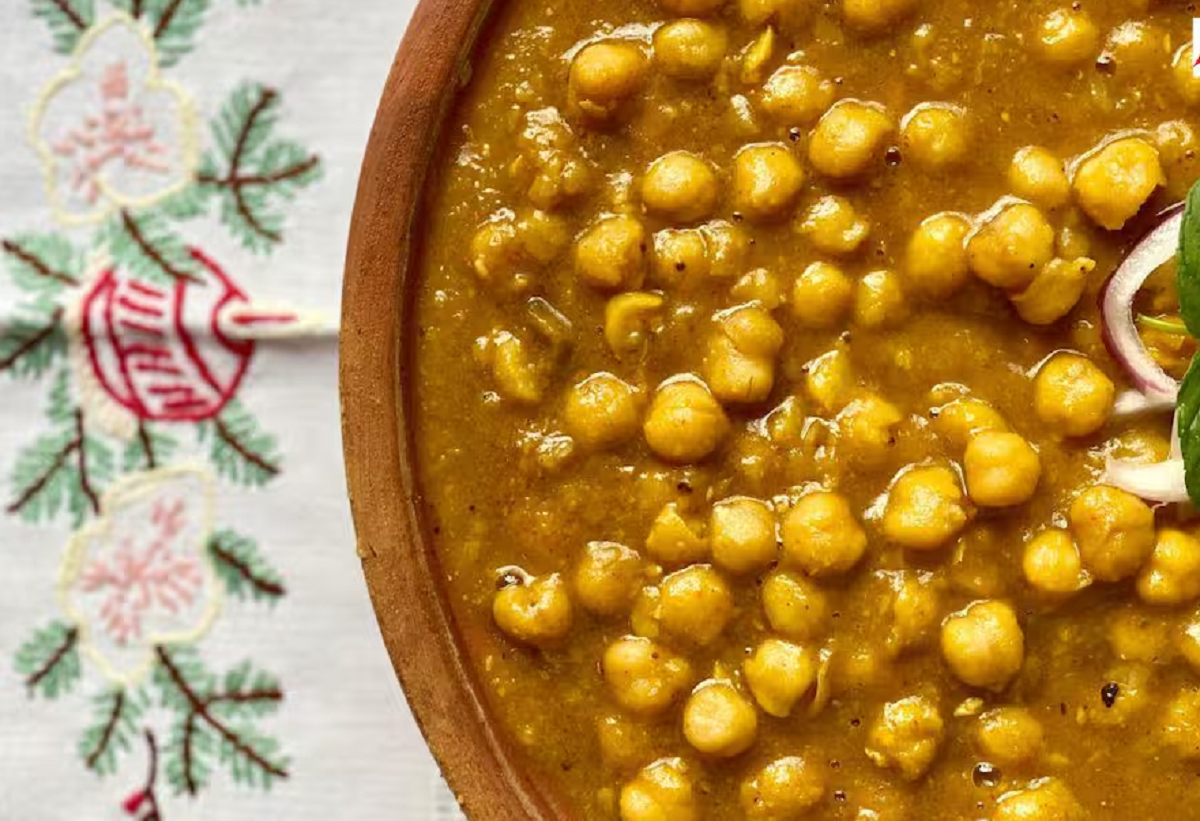
Dhaba chole often has a deep brown appearance rather than a bright red tomato-based gravy. A traditional kitchen trick for achieving this colour is to use tea while boiling the chickpeas.
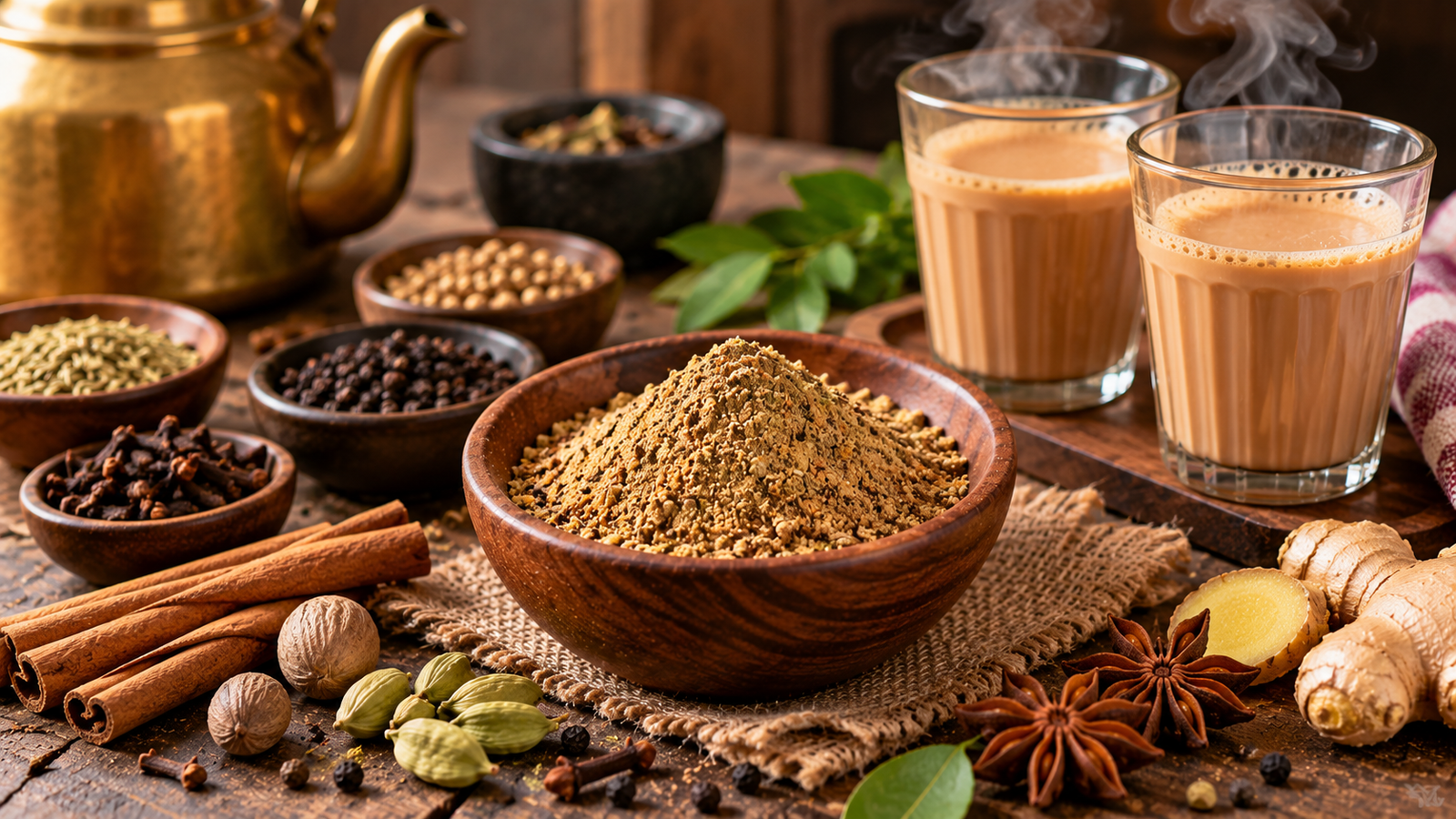
Place a small quantity of tea leaves inside a clean muslin cloth and tie it securely to make a pouch. Add this pouch to the pressure cooker while cooking the chickpeas.
The tea helps deepen their colour without leaving loose tea leaves in the curry.
Dried amla can also be added during cooking and is another commonly used ingredient for developing a darker shade and subtle flavour.
Remember to remove the tea pouch and whole ingredients that aren't meant to be eaten before preparing the final curry.
Don't Boil Chickpeas in Plain Water
Colour isn't the only thing that should develop while chickpeas are cooking.
Adding aromatic whole spices to the cooking water can build flavour from the beginning rather than relying entirely on the gravy.
Bay leaf, cinnamon and black cardamom can be added along with salt while pressure cooking. As the chickpeas soften, they absorb some of these aromatic notes.
Cook them until they are tender enough to press easily between your fingers but not so overcooked that every chickpea loses its shape.
Also, don't immediately throw away all the cooking liquid. It contains flavour and can be useful later for adjusting the consistency of the gravy.
The Masala Needs Patience
This is one stage where rushing can noticeably change the final result.
Prepare the base using onions, tomatoes, ginger and garlic. Cook the onions thoroughly before adding the remaining ingredients and spices.
Once the tomatoes and powdered spices are added, continue cooking the mixture over controlled heat. The masala should lose its raw aroma and become darker and more concentrated.
A good indication is when the mixture looks well roasted and oil or fat begins appearing around the edges.
Adding boiled chickpeas to an undercooked onion-tomato mixture can leave the curry tasting raw and prevent it from developing the depth associated with dhaba food.
Don't Depend Only on Packaged Chole Masala
Ready-made chole masala is convenient, but it doesn't have to do all the work.
You can build a more complex flavour by combining it with spices and seasonings such as cumin, coriander powder, garam masala and kasuri methi.
The exact quantity should be adjusted according to the amount of chickpeas and your preference for spice.
Allow powdered spices to cook with the masala rather than simply sprinkling them into the finished curry. This gives them an opportunity to blend with the onion-tomato base.
Tanginess Makes a Big Difference
Dhaba-style chole often has a noticeable tangy note that balances the richness and spices.
Tomatoes provide acidity, but they may not create the distinctive flavour you're looking for on their own.
Amchur, or dried mango powder, is an easy way to add tanginess. Anardana, made from dried pomegranate seeds, can also provide a deeper sweet-sour flavour.
Add souring ingredients gradually and taste the curry before adding more. The objective is balance—the chole should be tangy without becoming overwhelmingly sour.
Let the Chickpeas Simmer in the Gravy
Once your masala is properly cooked, add the boiled chickpeas and some of their reserved cooking liquid.
Instead of serving immediately, let everything simmer together so that the chickpeas absorb the flavours of the gravy.
You can lightly mash a small portion of the chickpeas against the side of the pan. This naturally thickens the gravy while leaving most of the chickpeas intact.
Adjust salt, spice and acidity near the end.
Finish With Kasuri Methi and a Little Ghee
The finishing touches can transform both the aroma and richness of the dish.
Crush a small quantity of kasuri methi between your palms and sprinkle it into the chole near the end of cooking. This releases its aroma more effectively.
For a richer finish, add a small spoonful of ghee or butter. Fresh coriander can be scattered on top just before serving.
If you enjoy a stronger smoky character, a traditional dhungar technique can also be used carefully, although it isn't essential for making flavourful chole.
Small Cooking Changes Can Make Homemade Chole Taste Better
You don't need restaurant equipment or complicated ingredients to make satisfying dhaba-style chole at home.
The key is paying attention to each stage: soak the chickpeas adequately, cook them with aromatic spices, use a tea pouch or dried amla for deeper colour, roast the onion-tomato masala patiently and create the right balance of spice and acidity.
Finish with crushed kasuri methi, coriander and a touch of ghee, and serve the chole hot with bhature, kulcha, poori, roti or rice.
With these simple changes, everyday homemade chole can develop the rich colour, thick gravy and bold flavour typically associated with a hearty dhaba meal.