
Cinnamon Buying Guide: Cinnamon is one of the most widely used spices in Indian kitchens, adding aroma and flavour to tea, pulao, biryani, desserts and several curries. But not every cinnamon stick available in the market looks or tastes the same. Different varieties of cinnamon are sold, and consumers often confuse Ceylon cinnamon with cassia.
Both are genuine types of cinnamon, but they differ in appearance, flavour, texture and natural composition. If you want to buy better-quality cinnamon, a few simple checks can help you compare what is available before making a purchase.
Here are five practical ways to examine cinnamon while shopping.
1. Look Closely at the Layers of the Bark
The structure of the cinnamon stick can provide an important clue.
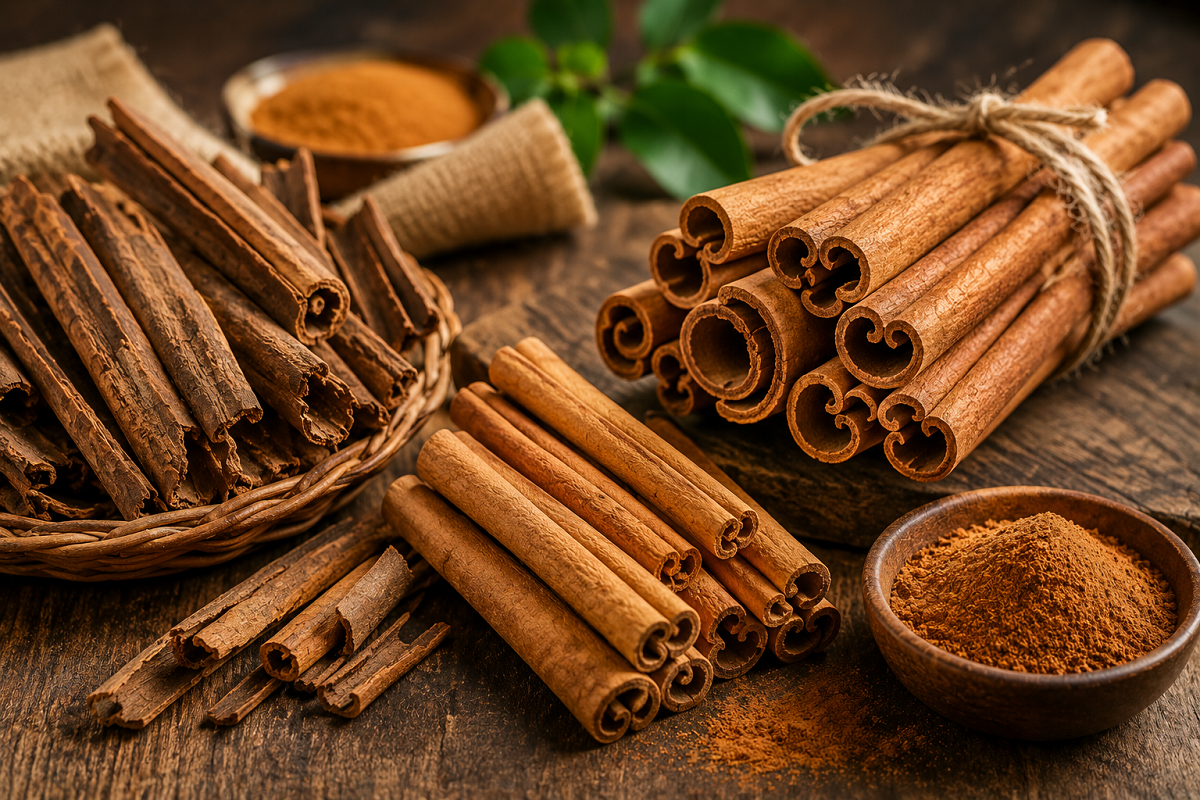
Ceylon cinnamon generally consists of several thin layers of bark rolled together. When viewed from the end, the stick may look like multiple delicate sheets forming a tight roll.
Cassia, on the other hand, is usually thicker and harder, with fewer visible layers. Its bark often looks more solid and less delicate.
This visual difference is useful, although appearance alone may not always be enough to confirm the exact variety.
If the cinnamon looks extremely thick, woody and difficult to break, it is more likely to be cassia than the thinner Ceylon type.
2. Compare the Colour
Colour is another simple characteristic that can help distinguish between varieties.
Ceylon cinnamon is generally lighter in appearance and may have a tan or light-brown shade. Cassia is often darker and can appear reddish-brown.
However, colour can vary depending on processing, storage and age, so it should not be used as the only test.
If a product has an unusually uniform or artificial-looking shade, it is worth checking the packaging and source carefully.
Fresh cinnamon should generally look clean and dry, without obvious signs of mould, dampness or deterioration.
3. Check the Aroma and Flavour
Good cinnamon should have a fresh, pleasant and naturally sweet aroma.
Ceylon cinnamon is usually known for a softer, mildly sweet fragrance and a more delicate taste. Cassia tends to have a stronger and sharper flavour, which is why it is widely used in many savoury dishes.
If the cinnamon smells stale, musty or damp, it may have been stored poorly or kept for too long.
A weak aroma can also indicate that the spice has lost some of its freshness.
When buying loose cinnamon, smell it before purchasing if possible. A clean, warm fragrance is usually a better sign than a flat or unpleasant odour.
4. Feel the Texture and Thickness
The way a cinnamon stick feels in your hand can also reveal useful information.
Ceylon cinnamon is generally thinner, lighter and more fragile. The sticks may break relatively easily because they are made from delicate layers of bark.
Cassia tends to be thicker, stronger and more woody in texture. It may require more force to snap.
This does not mean that cassia is automatically poor quality. It is simply a different variety.
The important point is to understand what you are buying, especially if you specifically want Ceylon cinnamon.
5. Read the Label Before Buying
Packaging can provide the clearest information when you are purchasing cinnamon from a supermarket or online seller.
If you are specifically looking for Ceylon cinnamon, check whether the label mentions “Ceylon Cinnamon” or the botanical name “Cinnamomum verum.”
Also review the ingredient list, packing or manufacturing date, brand details and condition of the package.
Choose packs that are properly sealed and do not show signs of moisture or damage.
Buying from a reliable brand or established seller can also reduce uncertainty, particularly when it is difficult to identify the variety by appearance alone.
Ceylon Cinnamon and Cassia Are Not the Same
Consumers often assume that cassia is fake cinnamon, but that is not correct.
Ceylon cinnamon and cassia are both varieties used as cinnamon. The difference lies in their botanical origin, flavour and chemical composition.
Ceylon cinnamon has a lighter, sweeter and more delicate profile. Cassia has a stronger flavour and is commonly preferred in dishes where a more pronounced spice note is required.
Another important difference is the amount of coumarin, a naturally occurring compound found in cinnamon. Cassia generally contains considerably more coumarin than Ceylon cinnamon.
This becomes relevant mainly when cinnamon is consumed frequently or in large quantities.
Why Coumarin Matters
Coumarin is a naturally occurring substance found in several plants, including some types of cinnamon.
Occasional culinary use of cinnamon is generally different from consuming large amounts every day. People who regularly use cinnamon in concentrated quantities may prefer to pay closer attention to the variety they are consuming.
Ceylon cinnamon is often chosen by people who want a lower-coumarin option.
However, cinnamon should not be treated as a substitute for medical treatment, and excessive consumption of any spice or supplement should be avoided.
Whole Sticks Can Be Easier to Judge
When possible, buying cinnamon in whole-stick form can make it easier to assess quality.
With whole sticks, you can examine the layers, thickness, colour and aroma. Once cinnamon is ground into powder, these visual differences become much harder to recognise.
Ground cinnamon can still be convenient for cooking, but it is more difficult for consumers to identify the exact variety simply by looking at it.
If you regularly use cinnamon, one option is to buy whole sticks from a trusted source and grind small quantities when needed.
Storage Also Affects Quality
Even good-quality cinnamon can lose aroma if it is stored incorrectly.
Keep cinnamon in an airtight container away from direct sunlight, heat and moisture. A cool, dry cupboard is generally preferable to a spot near the stove where steam and heat are common.
Whole cinnamon sticks usually retain their fragrance longer than powdered cinnamon because less surface area is exposed to air.
If the spice develops moisture, mould or an unusual odour, it should not be used.
Quick Checks Before Buying Cinnamon
Before adding cinnamon to your shopping basket, examine its thickness and layers, check whether the colour looks natural and smell it for freshness.
If you want Ceylon cinnamon specifically, look for the name on the label rather than relying only on appearance.
Choosing a sealed pack from a dependable seller can also make it easier to verify the product's origin and quality.
The biggest takeaway is that cassia is not necessarily fake cinnamon, but it is different from Ceylon cinnamon. Knowing that difference can help you choose the variety that best suits your cooking preferences and intended use.
Disclaimer: This article is for general informational purposes. Cinnamon varieties differ naturally in flavour and composition. People using cinnamon in large quantities or for health-related reasons should consult an appropriately qualified healthcare professional.