
Health
Planning to Colour Your Hair? Follow These Tips for a More Natural and Healthy-Looking Finish
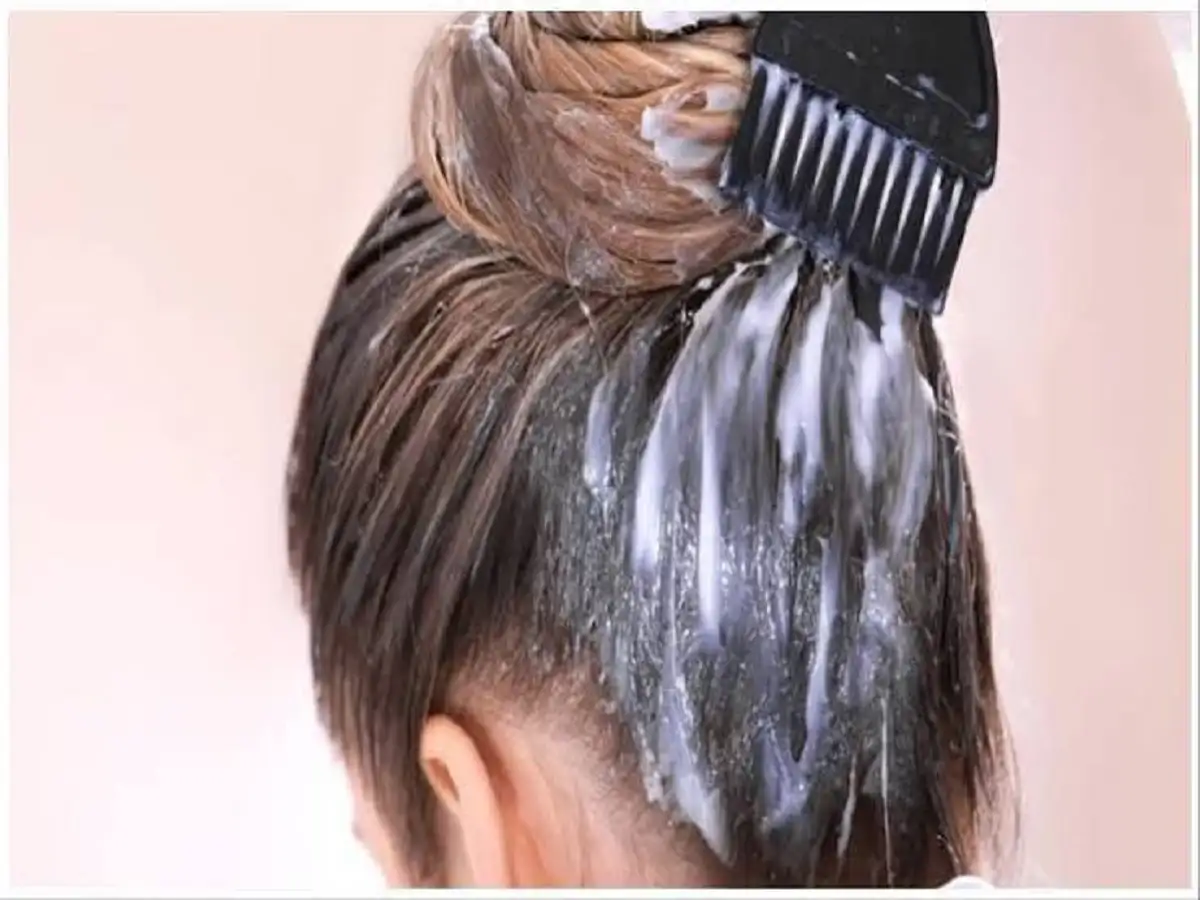
Hair colouring has become increasingly common, especially among people who want to cover premature greying or refresh their overall appearance. However, simply choosing a black hair dye and applying it is not always enough to achieve a natural result.
In many cases, freshly coloured hair can look excessively dark, flat or unusually shiny. Instead of blending naturally with your original hair tone, the colour may appear artificial. The good news is that a few careful choices before, during and after colouring can make a noticeable difference.
From selecting the right shade of black to protecting your skin and using suitable finishing products, here are some important things to keep in mind before colouring your hair.
Choose the Right Shade Instead of Picking Any Black Colour
Many people carefully compare shades when choosing brown, burgundy or red hair colours, but they often assume that all black shades are the same. In reality, black hair colours are available in several variations.
Common options may include Jet Black, Blue-Black, Brown-Black, Soft Black and Natural Black.
Choosing a shade that is close to your original hair colour can help create a more natural appearance. For example, a very intense jet-black shade may look too harsh on someone whose natural hair is softer black or dark brown.
Before buying a product, check the shade name and colour chart on the packaging instead of selecting it solely because it is labelled “black.”
Protect the Skin Around Your Hairline Before Applying Dye
One of the most common problems while colouring hair at home is staining the skin. Dark hair dyes can leave visible marks around the forehead, ears and neck if they accidentally come into contact with the skin.
Before beginning the colouring process, applying a thin layer of petroleum jelly around the hairline and ears can help create a barrier between the dye and the skin.
Take care not to apply petroleum jelly directly onto the hair that needs to be coloured, as this may interfere with even colour application.
Wearing gloves is also important while handling hair dye, both to protect the skin on your hands and to prevent staining.
Check the Ingredients and Instructions Carefully
Hair colour products contain different chemical formulations, so it is important to read the ingredient list and usage instructions before applying them.
Some people prefer ammonia-free hair colours because they may find them more comfortable to use. However, “ammonia-free” does not automatically mean that a product is suitable for everyone or completely free from ingredients that can cause irritation.
Modern cream-based colouring kits commonly include a colourant and developer. These formulations can be convenient for home use and may help distribute colour evenly when applied according to the manufacturer's directions.
Whatever product you choose, follow the recommended mixing ratio, application time and rinsing instructions carefully.
Never Skip the Allergy Patch Test
A patch test is one of the most important precautions before using permanent or semi-permanent hair dye.
Hair colour ingredients can trigger allergic reactions in some people, even if they have used similar products previously. Reactions may include itching, burning, redness, swelling or irritation.
Always perform the allergy test exactly as recommended on the product packaging and within the specified time before colouring your entire head.
If you have previously experienced a serious reaction to hair dye, it is better to seek professional medical or dermatological advice before experimenting with another product.
Avoid Overloading the Roots With Colour
Applying too much product to the roots does not necessarily improve grey coverage. In fact, excessive dye application can make the colour look overly dense and unnatural.
The goal should be even coverage rather than a thick layer of product.
Divide the hair into manageable sections and apply the colour carefully so that the roots and grey areas are adequately covered without unnecessary product buildup.
If colouring your hair evenly at home is difficult, getting help from a professional hairstylist may provide a better and more consistent result.
Don't Leave Hair Colour On Longer Than Recommended
It may seem logical to leave hair dye on for additional time to achieve a deeper shade, but this is not advisable.
Hair colour products are designed to work within a specific processing time. Leaving them on longer than recommended may not make the colour better and could increase the chance of dryness, scalp irritation or other unwanted effects.
Use a timer and rinse the product according to the instructions printed on the pack.
Use Hair Gloss or Serum for a Polished Finish
Once your hair has been coloured and washed, suitable finishing products can help improve its overall appearance.
A hair serum may help reduce frizz and give the strands a smoother, more polished look. Hair gloss products can also enhance shine and make coloured hair appear more vibrant.
However, excessive product can weigh the hair down and make it look greasy rather than naturally glossy.
Choose products suited to your hair type and use only the recommended amount.
Take Extra Care of Hair After Colouring
Colour-treated hair may require slightly more attention than untreated hair. Frequent washing, harsh shampoos and repeated heat styling can affect the appearance of the colour and contribute to dryness.
Using products formulated for coloured hair may help maintain the shade and keep hair manageable. Conditioning is also useful for maintaining softness, especially if your hair becomes dry after colouring.
If you regularly use hair dryers, straighteners or curling tools, avoid unnecessary high heat and follow appropriate heat-protection practices.
When Should You Consider Professional Help?
Home hair colouring can be convenient, but some situations are better handled by an experienced professional.
If your hair has been previously bleached, chemically treated or coloured several different shades, achieving an even result can be difficult. Professional advice may also be useful if you want to make a significant colour change or correct an uneven previous dye job.
Similarly, persistent scalp irritation, burning, swelling or other unusual symptoms after using hair colour should not be ignored.
The Bottom Line
Getting naturally dark, shiny hair after colouring depends on more than simply choosing a black dye. Selecting a shade close to your natural colour, preparing your skin, following the instructions carefully and applying the product evenly can all contribute to a better result.
A patch test should always be treated as an essential safety step, while proper after-care can help coloured hair stay smoother and healthier-looking for longer.
With the right shade, careful application and sensible maintenance, hair colour can blend more naturally with your overall appearance instead of looking excessively dark or artificial.