
Health
Should You Put Turmeric on Cuts and Wounds? Know When This Home Remedy May Do More Harm Than Good
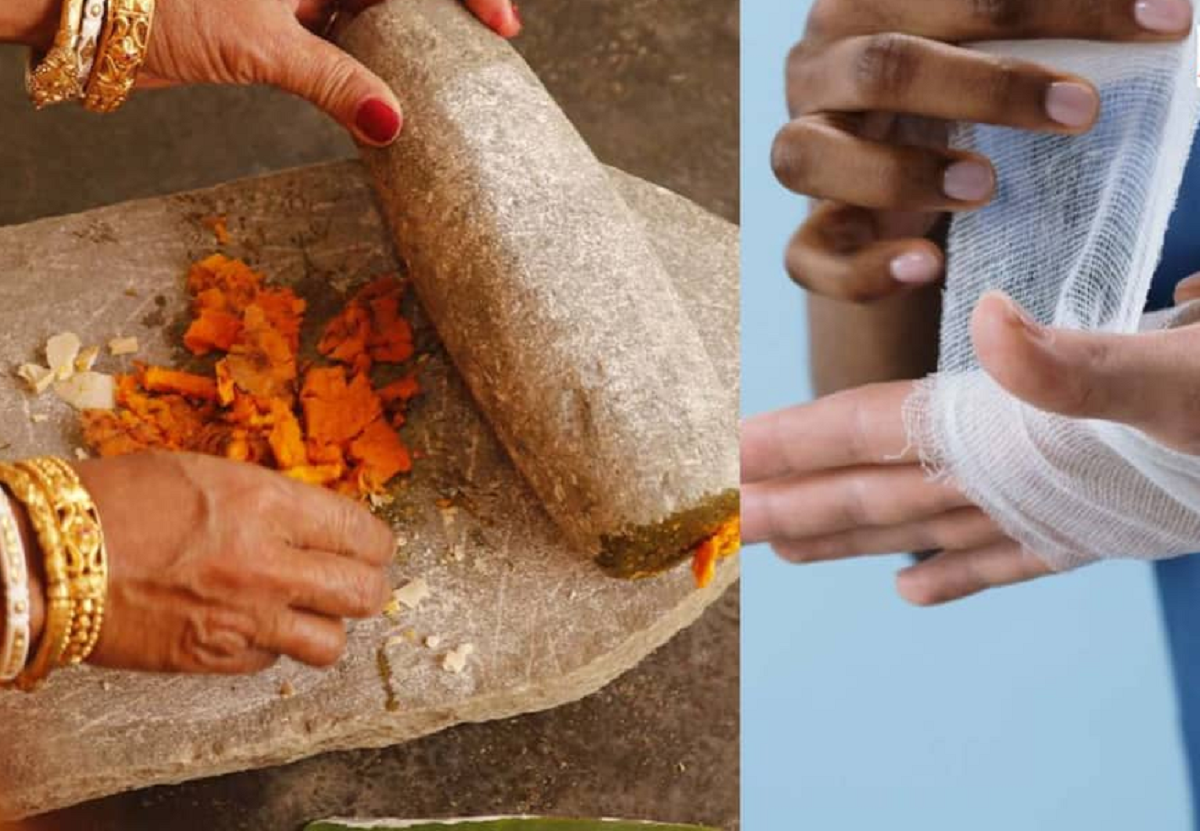
Turmeric contains curcumin, a compound studied for anti-inflammatory and antimicrobial properties. But sprinkling kitchen turmeric directly onto an open wound is not a replacement for proper wound care, especially when an injury is deep, infected or bleeding heavily.
Turmeric has been part of traditional Indian home remedies for generations. From adding haldi to warm milk to using it in homemade skin preparations, the spice is often associated with healing. It is therefore common for someone to recommend applying turmeric immediately after a minor cut or scrape.
But does every wound actually benefit from turmeric?
Scientific interest in turmeric largely centres on curcumin, one of its major active compounds. Laboratory and animal studies have explored curcumin's potential anti-inflammatory, antioxidant and antimicrobial properties, as well as its possible role in different stages of wound healing.
However, evidence about curcumin does not mean that ordinary turmeric powder from the kitchen should automatically be applied to every open injury. The type of wound, severity of bleeding, risk of infection and cleanliness of anything placed on the wound all matter.
Why Is Turmeric Associated With Wound Healing?
Curcumin is the compound responsible for many of turmeric's characteristic properties and its bright yellow colour.
Researchers have studied curcumin for its potential influence on inflammation, oxidative stress and tissue-repair processes. Some laboratory and animal research has suggested that curcumin-based preparations may support processes involved in wound healing, including the formation of new tissue.
A limited amount of human research has also investigated specially formulated turmeric or curcumin products in certain wound-care settings.
This scientific interest partly explains why turmeric's traditional reputation as a healing ingredient continues today.
But there is an important difference between a medically formulated curcumin product studied under controlled conditions and the turmeric powder sitting in a household spice container.
Can You Apply Kitchen Turmeric Directly to an Open Cut?
Applying ordinary turmeric powder directly to an open wound is generally not the safest first-aid approach.
Kitchen turmeric is a food product; it is not necessarily sterile. Once a wound has broken the skin barrier, introducing potentially contaminated material can create additional problems.
Turmeric can also cause skin irritation or allergic reactions in some people. Symptoms may include redness, itching, burning or worsening irritation around the affected area.
Another practical problem is its intense colour. Turmeric can stain the skin and surrounding tissue, potentially making it more difficult to notice subtle changes in redness or wound appearance.
For these reasons, the existence of promising research on curcumin should not be interpreted as a recommendation to pour raw turmeric powder into an open injury.
What Should You Do for a Minor Cut or Scrape?
For an uncomplicated minor cut or abrasion, basic first aid is usually more important than reaching for a home remedy.
Start by washing your hands. If the wound is bleeding, apply gentle pressure using clean gauze or another clean material until the bleeding stops.
Rinse the wound with clean running water to remove dirt and visible debris. The surrounding skin can be cleaned carefully without aggressively scrubbing the damaged tissue.
After cleaning, the wound can be protected with an appropriate sterile dressing or bandage. Keep it clean and monitor how it heals over the following days.
Using a wound-care product specifically designed for broken skin is preferable to experimenting with kitchen ingredients.
What About Turmeric Ointments?
Turmeric and curcumin are sometimes incorporated into topical formulations intended for skin or wound-related applications.
Such a product is different from homemade turmeric paste or loose spice powder. Commercial or medical formulations can contain standardised ingredients and may be manufactured specifically for topical use.
Even then, a product should be used according to its instructions, and not every preparation containing turmeric is suitable for an open wound.
If you have a chronic wound, surgical wound, burn or another complicated injury, ask a healthcare professional before applying alternative or herbal preparations.
Never Rely on Turmeric for a Deep or Serious Wound
A deep wound requires proper medical assessment rather than a home remedy.
Seek medical attention if a wound is deep, has widely separated edges, was caused by a dirty or rusty object, contains material that cannot be removed easily or continues bleeding despite sustained pressure.
Animal or human bites and puncture wounds can also carry a significant infection risk and should not simply be treated by covering them with turmeric.
Severe burns similarly require appropriate first aid and, depending on their extent and depth, professional treatment.
A healthcare professional may also determine whether a tetanus vaccination or booster is needed based on the injury and vaccination history.
Watch for Signs of Infection
Even a small injury can occasionally become infected.
Increasing redness, warmth, swelling or pain around a wound deserves attention, particularly if symptoms are worsening rather than improving.
Pus or unusual discharge, an unpleasant smell, fever or red streaks spreading away from the wound are additional warning signs that should not be ignored.
People with conditions that can interfere with wound healing or increase the risk of complications should be particularly cautious about self-treating persistent wounds.
Does Mixing Turmeric With Honey Make It Safer?
Turmeric and honey are frequently combined in traditional home remedies, but putting a homemade mixture onto an open wound should not be confused with medical wound care.
Medical-grade honey is used in some clinical wound-care products, but it is specially prepared and processed for that purpose. Household honey is not the same as a sterile medical dressing.
Similarly, adding kitchen turmeric to honey does not automatically produce a safe wound-treatment product.
For a superficial skin problem, it is still better to use appropriate first-aid measures and products designed for the intended purpose.
Turmeric Has Potential, But Wound Care Comes First
Turmeric is an interesting medicinal plant, and research into curcumin's biological properties continues. Its traditional use also has a long history.
The mistake is turning that information into the claim that turmeric can safely treat every injury.
For a small cut, focus first on cleaning the area, controlling bleeding and protecting the wound. For deeper wounds, serious burns, persistent bleeding or signs of infection, seek professional medical care rather than relying on turmeric.
In short, curcumin may have properties relevant to wound healing, but ordinary kitchen turmeric is not a universal first-aid treatment for open wounds.
Disclaimer: This article is intended for general health information and should not be considered a substitute for professional medical advice, diagnosis or treatment. Seek medical care for serious wounds, persistent symptoms or signs of infection.